Students need to learn directly from children and youth what truly matters to them. Children and youth are therefore invited to present and explain directly to students.
Coming September 2026:
Why
do students need this knowledge?
How
can students get this knowledge?
Challenges
in getting this knowledge
The latest
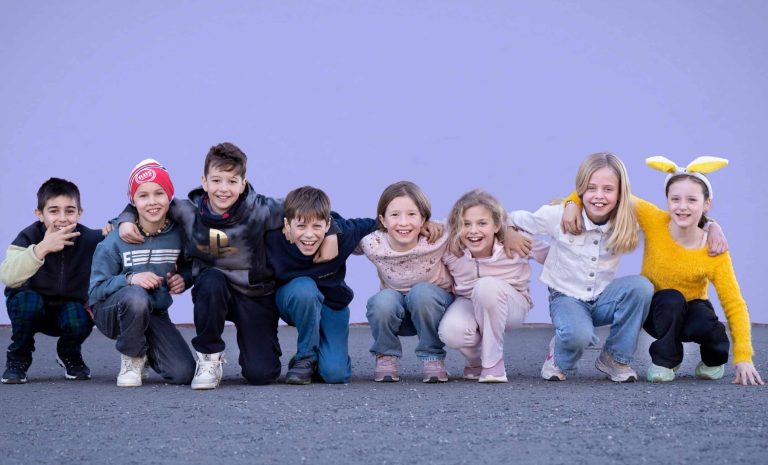
Children In Decision-Making is a platform that aims to inspire and support in gathering experiences and advice of groups of children, and use them in decision-making.The platform consists of tools, frameworks and guidance, research and publications, and real-life examples to support children’s participation in decision-making. It supports authorities, public services, and non-governmental organisations. Children in Decision-Making is developed by ChangeFactory, in close collaboration with children and young people, reflecting their viewpoints.
The platform welcomes contributions that can strengthen how children are involved in decision-making, including frameworks, guidance, tools, research, reports, or examples of practice. If you are working on something relevant – or know of something that should be included – we would like to hear from you. Please ensure that what you share has permission to share any content, especially when it involves children.

At Lund University in Sweden, students studying to become teachers were visited by upper secondary school pupils in the subject “School Development”. The pupils explained summarised knowledge from many pupils, and then met with the students in smaller groups.
Nordic project at universities
This form of teaching is part of a Nordic collaboration project, with universities in Denmark, Sweden and Norway. Here, ways are being tested where students get to hear knowledge from children and young people – directly from children and young people. The goal is to find ways that work in different places in Nordic countries.
How to collaborate with students
The theme of the day with the students in Lund was collaboration between teachers and pupils, both with individual pupils and with groups of pupils. The young people started by explaining why adults in schools have to collaborate with pupils, and what must be the basis for it to feel safe for pupils to express their opinions. They also explained what adults in schools can do before a decision is made, when pupils have expressed their opinion and after a decision has been made, so that pupils feel that they have truly been involved and taken seriously in the decision. The young people also gave advice on what adults can do if what one or more pupils want is not possible to achieve.
Helpful for the students
The feedback that was most noticeable from the students was that it is very helpful to hear from, and talk to, pupils about how to create safety and good collaboration in practice. Many said that it gave motivation to be a teacher who asks pupils about their opinions and takes their opinions seriously.
Thank you so much to the students and teachers at Lund University for having us!


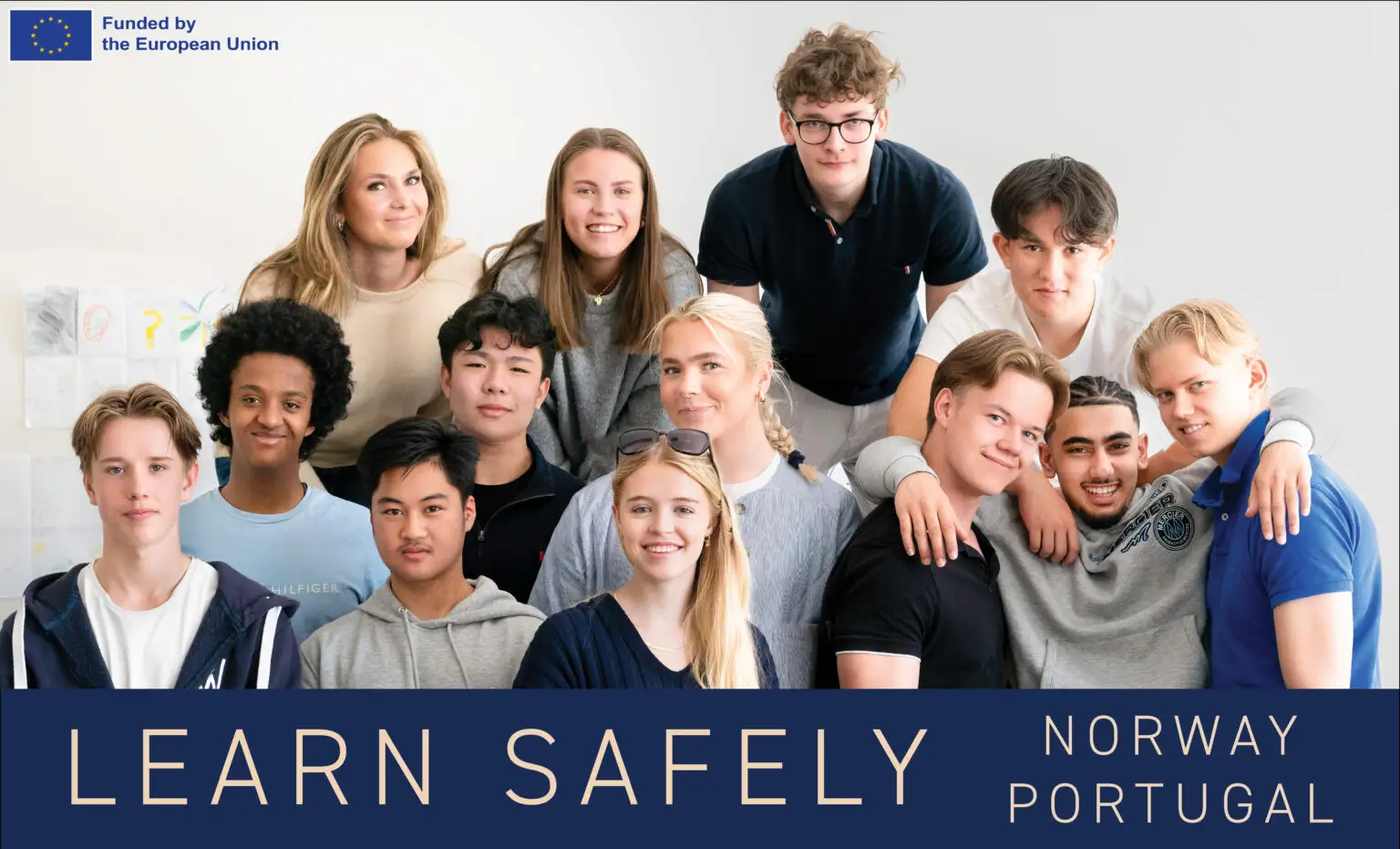
How can teachers help students feel safe in the classroom, in group work and in other learning situations?
In the project Learn Safely, around 260 students in Norway and Portugal have shared their experiences and advice – turned into practical tools for teachers and films with advice from students.
The tools show how teachers can:
🧡 Create safety in the classroom
🤝 Collaborate safely with students
👥 Do group work in safe ways
🛑 Stop trouble in safe ways for students
On the online resource Learn Safely you will find films and tools created from advice from students in Norway and Portugal, which show how safety can be created in everyday life at school.
Learn Safely is an Erasmus+ project, created in collaboration between Forandringsfabrikken (Norway) and ComParte (Portugal), with support from the European Union.
For teachers and other adults in school:
👉 Use the website as inspiration and support in your work for safe and inclusive learning situations.
💛 Students know what makes learning safe.
See more here: learnsafely.org


Changefactory (CF) has for more than 15 years invited children and young people around Norway to participate in surveys, using a method called the Changemethod. Authorities, knowledge centers and organisations around Europe have noticed the method for many years. Several now want training in how to use it in their country. CF visited the Netherlands last week to learn about the method. The authorities there are now preparing to conduct more surveys next year.
The Changemethod is closely based on Participatory Learning and Action (PLA), a participatory method used in action research. PLA has been further developed together with young people in Norway, to find tools that engage many children and young people here. The Changemethod takes very seriously that children are different and that groups of children have the right to express their opinion, in ways that are felt safe for them.
Since 2009, more than 16,000 children and young people in Norway have given advice in various types of knowledge acquisition that Changefactory has carried out. Visual and creative tools and dialogues have been used. Both at the beginning and at different periods throughout these years, researchers have been closely linked to the work, especially to CF’s qualitative surveys. In recent years, researchers have also had methodological responsibility for each individual survey.

Many of the professionals that children and young people will encounter in the future upbringing systems are now studying at universities, to become teachers, kindergarten teachers, health workers, psychologists, doctors, work in child and family welfare, police and several other professions.
What kind of knowledge directly from children do these students need? This question concerns the children and young people that the students will later encounter. They have the right to be taken seriously in this decisions concerning them, according to the Convention on the Rights of the Child (UNCRC). The students, teachers in the higher education programmes, professionals in the services, bureaucrats and politicians also have important voices in this.
Changefactory has worked on these topics for the past decade in Norway, in collaboration with teachers at various universities and educations. Now this work has gone to Nordic countries and higher education programmes in several countries have signed up. Together with teachers, students and organisations around the Nordic region, we will find out what kind of knowledge and in what ways this can be done. This is conducted with the support of Nordplus Horizontal.
Here are some of the teaching methods being tested, based on responses from groups of children and young people and in collaboration with the education programmes:
CO-TEACHING: Young people and professors teach together. In dialogues, they go into depth to find out how young people can be met in safe and useful ways. This has been tested in education programmes for child welfare workers, social workers and psychosocial workers
CASE WITH YOUNG PEOPLE: Students are divided into groups and each group meets a young person who explains a situation and shows how children and young people can express themselves in this situation. In dialogues, they work on how students can best meet young people. This has been tested in education programmes for teachers, psychologists, health workers, child welfare workers, social workers and social workers.
KICK: 4-5 young people visit the education programmes at the very beginning of their education to “kickstart” receiving knowledge from children. The young people explain what constitutes good professionalism, based on the knowledge of many children, and how they think children’s rights under Articles 3, 12 and 16 can be secured in good ways. KICK has been tested in most universities in Norway over the past years, in child welfare, teachers and social worker studies.
We look forward to continuing to gather experiences that can inspire the Nordic region – and Europe!

Professionals from all Nordic countries gathered for a conference, organised by the Nordic Association against Child Abuse and Neglect. The theme was “Resilience and Trauma – Responsibility and Hope”.
At the conference, Canadian professor Michael Ungar spoke strongly and clearly about resilience. He explained how working with children exposed to trauma can make the path to coping much shorter.
CF held two short presentations and a symposium, the topics were:
💛 Good quality in Barnahus, seen from the perspectives of groups of children
💛 Without safety, without a chance, about the book and solutions going forwards
💛 Changefactory and Joannahuset – about community and human warmth, important ways to find meaning, cope and process trauma
Thank you to the NFBO board for an exciting conference and we look forward to 2027!!


Changefactory participated in the Biennial Workshop on Developing Research in Children’s Rights and Family Law, which was hosted in the School of Law UCC in Cork Ireland. We met wise, engaged and kind scholars from Japan, the US, Slovakia, Belgium, the Netherlands, the UK and Ireland 🌍
Thanks a lot for two fun days full of discussion on the future of children’s rights!🌟📚⚖️


Ireland is far ahead in the work to systematize taking children and young people seriously in decision-making, at individual and group level. Last week DCEDIY (the Irish Department of Children and Families) invited to an international seminar, to provide information about the work in Ireland and to inspire other authorities and organisations. The different work being done in the different parts of the administration in Ireland and the frameworks they work according to were presented . The Irish center Hub na nÓg, who collects views of children in vulnerable life situations and provides education, also contributed. Laura Lundy’s model for participation has inspired this work.


Thank you, the book will be read thoroughly, Erna said.
Several of the book’s authors met Erna Solberg yesterday to give her the book. Afterwards, she wrote this on Instagram:
Today I met 4 young people from Changefactory, who have been involved in creating this book. Their experiences with the help and treatment system, told by themselves. An extremely important perspective to have both in designing child welfare and mental health services.
The patient and user perspective is important in both helping adults and children, but children may need it even more. It is easier to overlook a young person’s point of view than an adult’s and adults often have a “more developed” conceptual framework. We in the Conservative Party have presented a plan for better mental health, which we call Help that helps – the young people said their goal was help that works. It will be useful to read this. Because as the young people said when we met – We who are standing here have each cost society millions, but the help has not worked. Now we want to help make the help work. Thank you, I will read thoroughly.
THANK YOU Erna for a nice talk and for wanting to read the book and work to make the help work!! 🌟
The Minister for Children, the Children’s Ombudsperson, the Health Inspectorate, the Norwegian Psychological Association and the Norwegian Bar Association have all been given the book “Without safety, without a chance”. They have said that they will read the book, and they have thanked the authors for their work and their courage. In these meetings there have been talk of solutions, and how knowledge in this book can be a big contribution to systems for children and young people improving how they help them.

The Minister for Children, Kjersti Toppe, and authors

The Children’s Ombudsperson, Mina Gerhardsen, and authors

President of the Norwegian Psychological Association, Håkon Skard, and authors

Director of the Norwegian Health Inspectorate, Sjur Lehmann, and authors

Editor Wenche Bjørnebekk and team leader Hilde Erika Lund from the Scandinavian University Press, and authors

Martin Nielsen, Mette Yvonne Larsen and Ida Thommessen from the Norwegian Bar Association, and authors

“In the first part of this book, eleven young people write about the difficulties they have had in their lives, and how they have experienced measures that were supposed to help them. It is a shocking read. Services that were supposed to be good help have been experienced as the opposite. Young people who needed to be listened to and understood have felt that adults were not concerned with why they were having such a difficult time. Nor were the adults always interested in hearing their views on what could help.
The stories are naturally one-sided, as all credible stories are. The authors are not looking for objective, cold facts. They show us the services from their perspective, and they know very well that there are other ways of looking at this. They understand that it can be difficult to help, and that legislation and organisation set limits to what can be achieved. But something that is repeated in many of the stories is that they do not fully get to express themselves and do not receive the help they need to feel safe.
The quotes from journals, records and reports show us how great a distance there can be between what professionals are concerned with and what young people themselves experience. Regardless of whether the professionals are right from their perspective, the experiences of young people cannot be without interest. Measures that are experienced as useless are rarely of great help. The experiences, of the past and present, of relations and measures, are often absolutely central to understanding what the problem is about. We need to know of these experiences, even when they do not fit well with the services’ understanding of themselves. Knowledge of how services are experienced by those who will use them is indispensable knowledge for those who want to improve and develop the services.
In the second part of the book, the young people summarise the difficulties that can be experienced in dealing with the systems. This is based on their own experiences, but also on the results of surveys conducted by Changefactory, in which several thousand children and young people in public services have participated. Lastly comes what may be the most important thing in this book: the call to learn from the experiences the young people have had, and proposals for solutions. They want to help the services to meet young people who come after them, in ways that they themselves would like to have been met. They ask for a different form of professionalism than the one they themselves encountered.
The eleven young people therefore deserve congratulations and thanks for wanting to share their experiences with us. It is commendable that they are not content with pointing out what is not working so well, but also come up with proposals for how things can be improved. As I understand them, they are not concerned with getting revenge or redress, but want to do what they can to ensure that services are better for those who come after them. To achieve this, they must explain how things are connected. They must be allowed to describe what they have been subjected to, how they were met, and what is needed to make things better.
Most of the young people appear as authors with names and pictures. This has been each individual’s choice. I can assure the reader that they know what they are doing. Most have been active in Changefactory’s work to convey the views of children and young people on how school, child welfare, police and health services work for them. I know several of them personally through many years of collaboration with Changefactory. The individual author or their guardians have done what they thought was best, without others influencing their choice. We must believe that they themselves know what is best for them.
Changefactory has done pioneering work over the past 20 years by collecting experiences from young people’s contact with public services. There are few countries that can point to anything similar. I am currently a board member of Changefactory and have a special responsibility to ensure that it is safe for children and young people to participate in Changefactory’s many activities. I know the routines and the work the organisation does to ensure that it is safe to participate. The young people who come forward with their names and pictures know what it means. They believe that it is they themselves who should make this choice. I agree with that.
I myself am critical of many of the mediacoverage in which more or less well-known people “come forward” with the ailments they have. This book is about something different and more important. The eleven young authors do not want to get attention or sympathy from others. They are not looking to “give the disease a face” or raise awareness about one or another problem they have struggled with. As I understand it, they present themselves with names and pictures because anonymity does not serve their cause. They would rather be individuals – living people with their own identity, each with their own values and preferences, each with their own personal story and each with their own difficulties. In their encounters with help services, they have experienced to a greater extent that they have been seen as representatives of a group of people, rather than as individuals with unique, personal stories.
I hope that you, who read the book, will be open to the authors’ experiences. They should be food for thought for everyone who works in the support system, and those who are responsible for managing the services. The experiences indicate that it is useful to think a little differently about the services and about those whom the services are intended to help. It seems obvious that the way in which young people are met does not always work as intended.
This is a challenge for all of us. The authors should be commended for doing their part to ensure that students, professionals, leaders and governments can see that much needs to change. But even if much in this book may seem negative, I would like to remind you that we live in good times – and finally take into account what the users of the services think. This is the only way we can change what the help services offer for the better. In order to do so, the experiences of people must emerge. This must also apply to those who are young and therefore have not always been listened to by those of us who think we are older and wiser. This is an important book that shows both how services can affect children and young people, and how they can be improved.
Les Arcs-sur-Argens, May 2024″
Trond F. Aarre,
specialist in psychiatry and drug and addiction medicine


11 young people are the authors of a new book at Scandinavian University Press (Universitetsforlaget). There are 11 of us who have used drugs, run away, had eating disorders, used violence, committed crimes and attempted suicide. We have been locked up, held down, forcibly medicated and been moved around a lot.
This book has been written to help more children and young people get help that helps them, to have lives worth living. We have to be met as people who need safety. Without safety, without a chance.
Each of us has cost the state millions of Norwegian kroner every year. At the same time, we have lost precious time in our lives. Much of the help we received created damage in us, both then and later in life. Without safety, without a chance
The book provides clear solution proposals based on answers from CF’s surveys. It provides valuable advice on how to meet young people in vulnerable life situations. It is written for politicians, authorities, managers, professionals and students. When we felt safer, we could accept help and have lives worth living.
See, browse and buy the book here

On 24 October, on UN Day itself, Oslo was visited by Professor Laura Lundy. We believe this marked the start of a new era in Norway for Article 12 of the Convention on the Rights of the Child.
Norway is good at many of children’s rights, but not at Article 12. You should, and can be. There is no question if this should be done, only how. Norway should build further on good experiences made by different stakeholder, Laura says.
Laura Lundy from Northern Ireland has inspired more than 10 countries in and outside Europe to take major steps to ensure that affected groups of children under the age of 18 are involved in all important decisions that affect them, both locally and nationally. She has also inspired the World Health Organisation (WHO) and guided the European Commission.
Laura has written the book “Voice is not enough” where she emphasises that a society must listen to the views of children and young people, assess and emphasise this, and give them real influence in decisions that concern them as a group. She particularly emphasises the importance of involving groups of children in vulnerable life situations. Laura has developed a model to guide anyone who makes decisions for children, at a national or local level, or in the everyday lives of children. The model is rights-based and emphasises the responsibility that politicians in the parliament, ministries, directorates, municipalities, educational institutions, services, schools, organisations and many more have.
MANY GOOD PEOPLE CONTRIBUTED TO THE PROGRAMME ON OCTOBER 24TH:
Laura Lundy, Co-Director of the Center for Children’s Rights, Professor of Children’s Rights at Queen’s University, Belfast and Professor of Law at University College Cork.
Eli Blakstad (The Centre Party), State Secretary in the Ministry of Children and Families
Grunde Almeland (The Liberal Party), leader of the Family Committee at the Parliament
Ragnhild Male Hartviksen (The Labour Party) parliamentary politician in the Justice Committee
Mina Gerhardsen, children’s representative
Jon Christian Fløysvik Nordrum, researcher Department of Public Law University in Oslo
Sjur Lehmann, director of the Norwegian Health Authority
Christian Børge Sørensen, special advisor for human rights
Elin Saga Kjørholt, senior subject advisor from the Children’s Ombudsperson
Marit Skivenes, professor of political science and part of CF’s board
Arild Bjørndal, professor of social medicine and part of CF’s board
Leon, Vanessa, Glorija, Dania and Celina from CF contributed in dialogues.
THANK YOU for all engaged, wise, solution-focused and forward-looking talks. The theme throughout was how children can contribute to the development of schools and services, initiatives, budgets, legislation and other types of measures.
Many promised that decisions will be better when we include children’s solutions, that children must be involved early enough in decisions, and that you must be open and transparent with how you have assessed and emphasised children’s views. Something that also came up was what mechanisms we should have to stop decisions when we have not first secured the obligation in Article 12 to hear and take seriously the views of children.
Many were grateful that Laura put into words that Norway is not good at involving the groups of children in question and is far from good enough to ensure that children under the age of 18 and children in vulnerable life situations are included in decisions. Now there are many of us who will achieve this together in Norway in the future!

Today’s keynote speeches inspired both presentation and dialogue

Ragnhild Male Hartviksen, politician in the justice committee at the Parliament, with Laura Lundy and young people in CF
Many good people contributed to the program on October 24th:
Laura Lundy, Co-Director of the Center for Children’s Rights, Professor of Children’s Rights at Queen’s University, Belfast and Professor of Law at University College Cork.
Eli Blakstad (The Centre Party), State Secretary in the Ministry of Children and Families
Grunde Almeland (The Liberal Party), leader of the Family Committee at the Parliament
Ragnhild Male Hartviksen (The Labour Party) parliamentary politician in the Justice Committee
Mina Gerhardsen, children’s representative
Jon Christian Fløysvik Nordrum, researcher Department of Public Law University in Oslo
Sjur Lehmann, director of the Norwegian Health Authority
Christian Børge Sørensen, special advisor for human rights
Elin Saga Kjørholt, senior subject advisor from the Children’s Ombudsperson
Marit Skivenes, professor of political science and part of CF’s board
Arild Bjørndal, professor of social medicine and part of CF’s board
Leon, Vanessa, Glorija, Dania and Celina from CF contributed in dialogues.
THANK YOU for all engaged, wise, solution-focused and forward-looking talks. The theme throughout was how children can contribute to the development of schools and services, initiatives, budgets, legislation and other types of measures.
Many promised that decisions will be better when we include children’s solutions, that children must be involved early enough in decisions, and that you must be open and transparent with how you have assessed and emphasised children’s views. Something that also came up was what mechanisms we should have to stop decisions when we have not first secured the obligation in Article 12 to hear and take seriously the views of children.
Many were grateful that Laura put into words that Norway is not good at involving the groups of children in question and is far from good enough to ensure that children under the age of 18 and children in vulnerable life situations are included in decisions. Now there are many of us who will achieve this together in Norway in the future!

Eli Blakstad, State Secretary in the Ministry of Children and Families, with young people in CF

Politicians in the Family and Culture committee, with Lundy and young people in CF

Sjur Lehmann, director of the Norwegian Health Authority, with young people in CF

Mina Gerhardsen, Children’s Ombudsperson, with young people in CF
T H A N K Y O U for all engaged, wise, solution-focused and forward-looking talks. The theme throughout was how children can contribute to the development of schools and services, initiatives, budgets, legislation and other types of measures.
Many promised that decisions will be better when we include children’s solutions, that children must be involved early enough in decisions, and that you must be open and transparent with how you have assessed and emphasised children’s views. Something that also came up was what mechanisms we should have to stop decisions when we have not first secured the obligation in Article 12 to hear and take seriously the views of children.
Many were grateful that Laura put into words that Norway is not good at involving the groups of children in question and is far from good enough to ensure that children under the age of 18 and children in vulnerable life situations are included in decisions. Now there are many of us who will achieve this together in Norway in the future!

Dialogue with contributions from both the audience and the stage, about challenges today and opportunities for how Norway can better secure the obligations under Article 12 of the UNCRC in the future

Contributors from the last part of the day, with Lundy and young people in CF
Laura Lundy visited Norway last October. She inspired many, with her clear message that children under 18 must be taken seriously in decision-making. This applies to every individual child in kindergarten, school, help services, the police and the legal system. It also applies to the groups of children under 18 that are affected, when measures, initiatives and frameworks are to be determined.
Here’s a video with inspiration from Laura Lundy
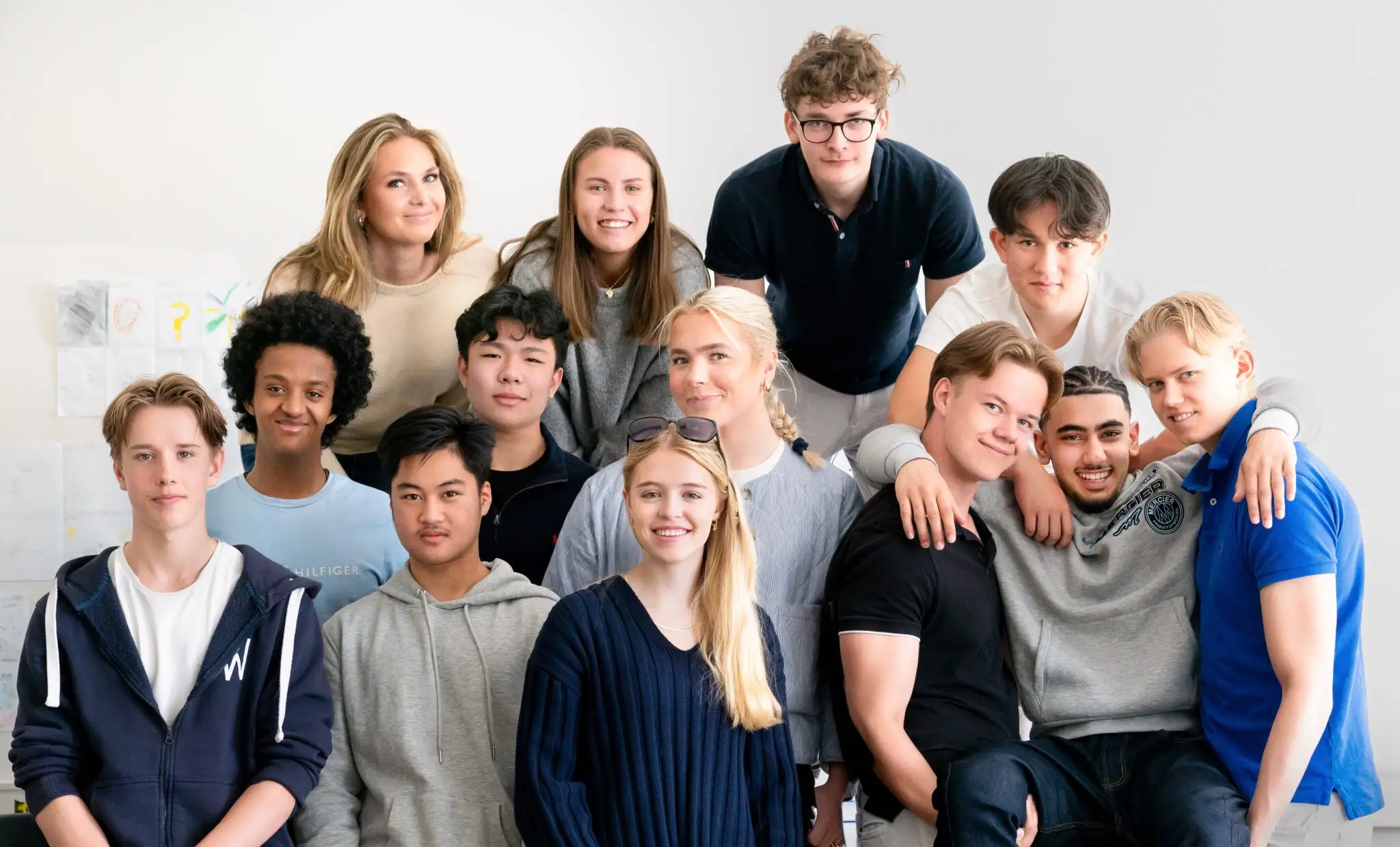
Pupils have both in Changefactory’s and ComParte from Portugal’s work told about how safety in class and at school determines how much they learn. With funds from Erasmus+, we are now collaborating on a project together. The aim is to collect the pupils’ answers about what feels safe in different learning situations.
Throughout the year, pupils from around Norway and around Portugal will participate and develop tools based on the answers from the advice collection. The tools will later be tested in schools and then further developed. They will eventually become part of a platform that can be used in Norway and Portugal, and as inspiration in other countries. It’s so exciting to travel around to schools and meet wise pupils who have so much important knowledge about how the school feels and how pupils can learn better🤩 Here in Norway we are looking forward to hearing the answers from pupils in Portugal!
Pupils who have given advice in the project

Meeting with young people and employees in ComParte, Changefactory, and national authorities in Portugal


At the University of Stockholm, there are skilled jurists who focus on children’s rights and autonomy. As part of the anniversary celebration, we went there to learn from them ❤️
For more than 15 years, children and young people in Norway have explained in surveys that adults make too many decisions that do not improve things for children. Why does this happen? And when adults make mistakes, should it not be discussed? How can trust from children to adults be maintained? Can we continue with adults saying they have made decisions in the child’s best interest when it often does not improve things for the child? We talked to the lawyers about how legislation and other frameworks must be in place for better decisions to be made for children.
THANK YOU to Pernilla, Dennis, and Tim, for great conversations and for emphasising the importance of taking children seriously, this gives hope 🥳

This week Changefactory was invited by Netherlands Jeugdinstituut to the national “Youth day” in the Netherlands. Professionals, decision makers and organisations from all over the country participated. Changefactory gave a presentation in the international program, on children’s participation. We talked about the importance of collecting knowledge from bigger groups of children, including vulnerable children – to complement youth panels and councils.
Professionals and organizations from Ireland, Bosnia, Netherlands and Belgium participated and talked about their experiences with youth participation. It was great to meet and listen to colleagues in other countries, to learn about their work 🫶🏽
It was inspiring to be in same the room with so many people understanding the value of lifting up knowledge of a representative group of children before making decisions affecting them, like the Convention on the Rights of the Child obligates us to do.

The Department of Sociology of Law at University of Lund arranged important conference days last week. We were lucky to witness the seminar “Empowering children and youth through Law and Participation”, with researchers from Brazil, Colombia, Vietnam, India, Ethiopia, Sweden, Denmark and Norway
Very exciting to hear about how children’s participation has different challenges around the world, and how researchers see possibilities for coming closer to genuine, meaningful and equal participation for children. To achieve that, we must dare to ask questions about how adults can prevent or promote children becoming equal citizens
Thank you for wonderful days, especially to Mimi Petersen from Copenhagen and the organisers: Anna Sonander and Per Wickenberg from the University of Lund
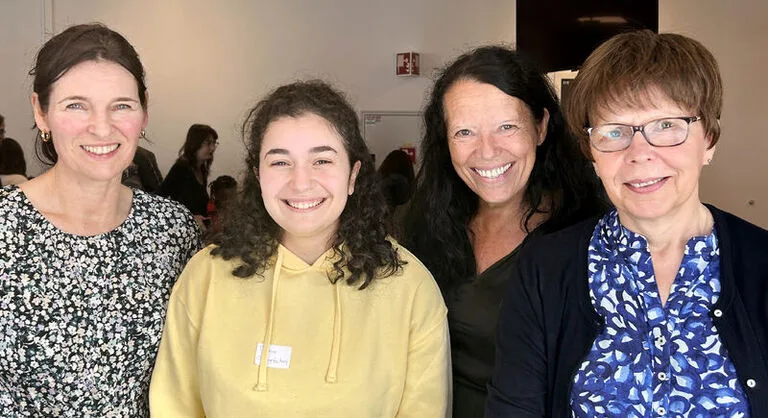
Bergen Exchange is a “meeting place for scholars and practitioners from across the globe who seek to understand how law serves as an instrument of change, and how it shapes and is shaped by power relations”. The 2023 event was arranged 14-18 august, in Bergen Dania and Marit were invited to a dialogue together with (among others) the wise professors Tarja Pösö from Tampere University in Finland and Marit Skivenes, University of Bergen/DIPA.
The dialogue was on how, even though children have a fundamental right to participate in matters affecting them according to the Child Convention, research and reports from children themselves demonstrate clearly that children do not participate as legally prescribed. Why? Changefactory presented knowledge from children saying adults have to learn about all the benefits of sharing power with children, when making decisions for one child and for children as a group!
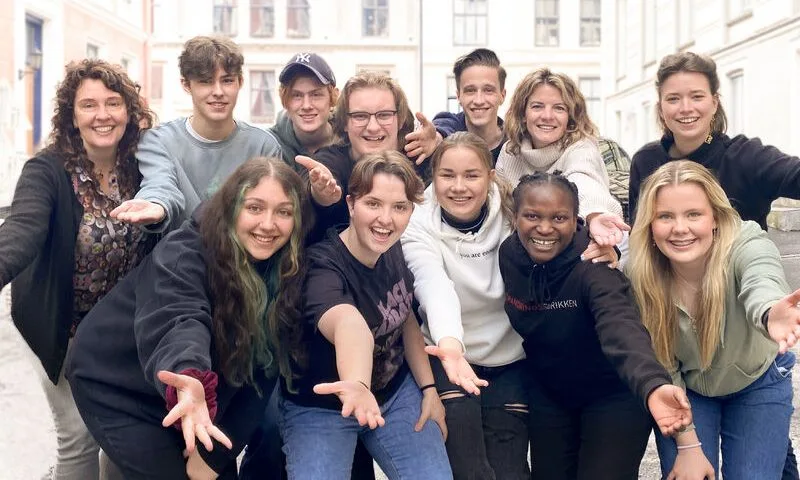
Last week we were lucky to have a visit from NJR (The Dutch National Youth Council) and Nederlands Jeugdinstituut (Netherlands Youth Institute) at our head office in Oslo. Thank you for spending time with us and for kindly listening to advice from pros