"Always collaborate with me"
2025
In the report ALWAYS COLLABORATE WITH ME, 106 pupils, aged 12-17, give advice on how adults who work in schools can collaborate with pupils to create safe and helpful interprofessional collaborations.
Contents in the report:
Foreword by Head of Research at NTNU
Brief about the qualitative survey
Children have rights
Good ways to meet pupils
Challenges and solutions
Advice from pupils
Experiences from pupils
More about the survey
Changefactory Knowledge Centre
"Trust is crucial"
2024
In the report TRUST IS CRUCIAL, 211 young people, aged 11-20, give advice on how adults in help services and the police can make it safe so that children can trust them, tell safely and make decisions together with them.
Contents in the report:
Brief about the qualitative survey
Knowledge from children about trusting adults
Knowledge from children about telling safely
Knowledge from children about deciding together
Children have rights
Good ways to meet children
More about the qualitative survey
Changefactory Knowledge Centre
"Safe with each other"
2024
In the report SAFE WITH EACH OTHER, 240 children, aged 8-18, give advice on how adults in school can contribute to more inclusion and less bullying.
Contents in the report:
Foreword by Anti-bullying Ombudsperson in Troms
Brief about the qualitative survey
To all adults in school
To politicians and school owners
Challenges and solutions
Children have rights
Good ways to meet pupils
Knowledge from children: Advice
Knowledge from children: Experiences
More about the qualitative survey
Changefactory Knowledge Centre
"Boys' advice on equality"
2024
In the advice collection BOYS’ ADVICE ON EQUALITY, 186 boys, aged 13-19, give advice on what adults at school can do to ensure that boys feel treated equally to girls, so that boys feel that they are learning well and so that they can feel motivated.
Contents in the advice collection:
About the advice collection
Children have rights
Advice from pupils
Experiences from pupils
Changefactory Knowledge Centre
"Decide with each of us"
2024
In the advice collection DECIDE WITH EACH OF US, 40 young people, aged 13-20, give advice on how the Child Protection System can collaborate with children when giving family guidance, in order for the guidance to feel safe and helpful for the child.
Contents in the advice collection:
About the advice collection
Children have rights
Good ways to decide guidance
Advice for starting family guidance
Advice for following up on family guidance
Experiences from children and young people
Changefactory Knowledge Centre
"Collaboration in patient pathways"
2023
In the advice collection COLLABORATION IN PATIENT PATHWAYS 42 young people, aged 13-21, give advice on how children can be met wisely from start to finish in mental health care for children and young people.
Contents in the advice collection:
About the advice collection
Knowledge from children and young people
National solutions
Children have rights
Changefactory Knowledge Centre
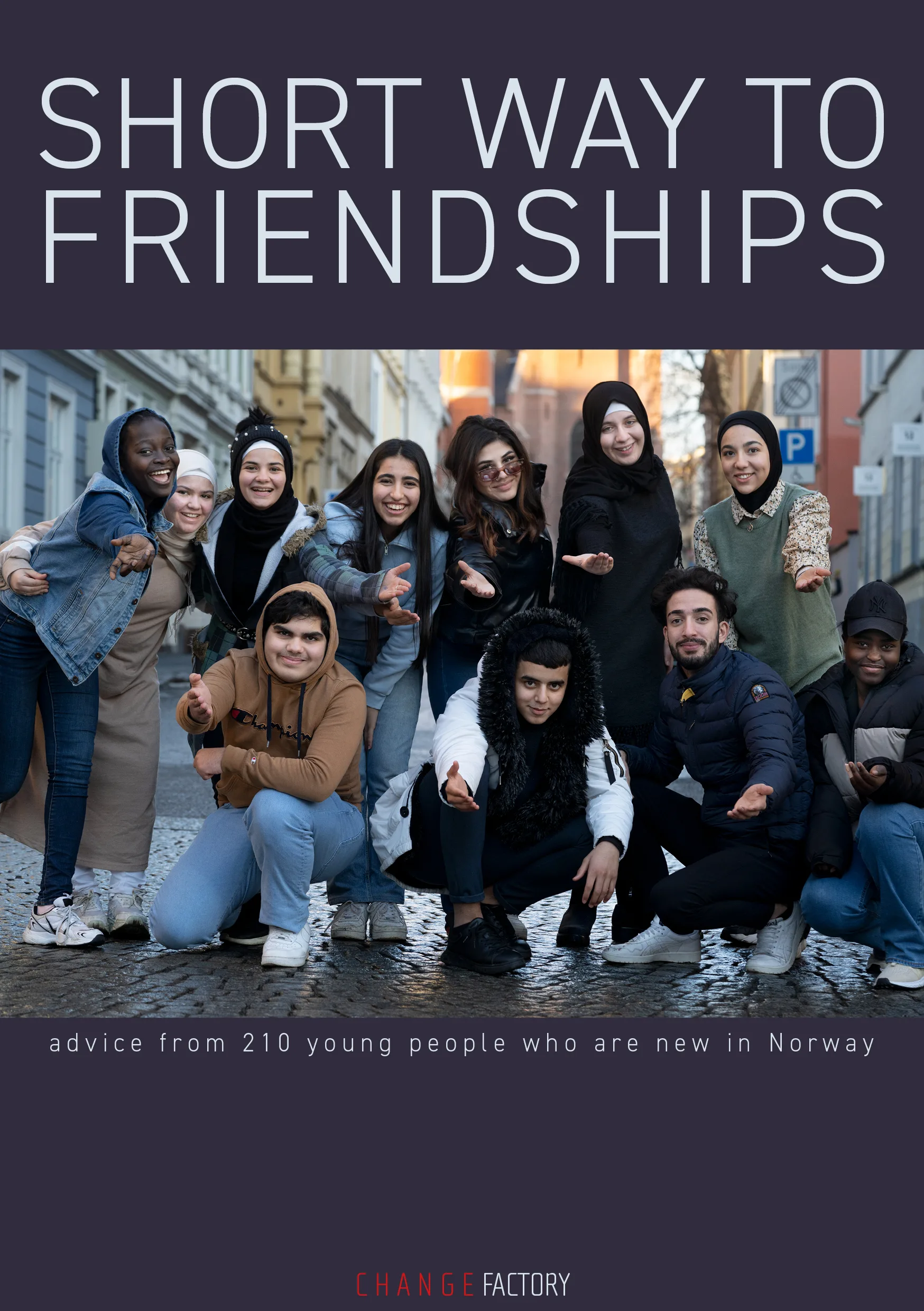
"Short way to friendships"
2023
In the advice collection SHORT WAY TO FRIENDSHIPS 210 young people aged 14-22, who are new in Norway, give advice to other young people and to adults in school, about how friendships are made and what helps them learn Norwegian quickly.
Contents:
Part 1: For those who grew up in Norway
Part 2: For those who are new to Norway
Part 3: For adults in school
"Understanding drug use"
2023
In the advice collection UNDERSTANDING DRUG USE 50 young people aged 15-23, give advice on how the future help for drug use has to be for the help to feel safe and helpful.
Contents in the advice collection:
About the advice collection
Knowledge from children and young people
Advice for help of the future
Experiences from the services
Youth outreach services
Secondary care
Residential childcare institutions
Drug control contract
Police
The rights of children and young people
To national authorities
"Meet absence safely"
2023
In the advice collection MEET ABSENCE SAFELY 120 young people aged 13-19 give advice on how adults in school can meet children who are away a little or a lot from school, in ways that feel safe.
Contents in the advice collection:
About the in-depth study
Pupils have human rights
Knowledge from children and young people
Reasons for absence
When pupils are absent
When pupils return
National guidelines and measures
"Let us talk about feelings"
2023
In the advice collection LET US TALK ABOUT FEELINGS 259 young people, aged 16-23, give advice to teachers, public health nurses, and school social workers, and advice on how to work with different themes within mental health.
Contents in the advice collection:
About the advice collection
Knowledge from children and young people
Knowledge from the questionnaire
What young people in norway might struggle with
Advice for public health nurses
Advice for school social workers
Advice for teachers
Pupil’s suggestions on how to work with mental health in schools
Pupils have rights
Changefactory Knowledge Centre
"Queer in school"
2023
In the advice collection QUEER IN SCHOOL 54 young people aged 15-21, give advice to adults in school and pupils on how they can contribute to making it safer for pupils who are queer.
Contents in the advice collection:
About the advice collection
Rights
Advice to Adults
Advice to pupils
Background
Dictionary
Changefactory knowledge centre
"Safe with a safety advocate"
2023
In the advice collection SAFE WITH A SAFETY ADVOCATE 51 young people aged 13-21, give advice to the Child Protection System about the safety advocate arrangement.
Contents in the advice collection:
About the advice collection
Children and young people have rights
Knowledge from children and young people
Safety advocate is important
Who can/cannot be a safety advocate
Information about the arrangement
Choosing a safety advocate
Change or stop
Advice to safety advocates
Changefactory knowledge centre
"The way forward"
2022
In THE WAY FORWARD, 215 young people aged 18-25 give advice on how NAV employees can provide useful help.
Contents:
About the advice collection
Part 1: Advice for counsellors in NAV
– First meeting
– Collaboration along the way
– Help for the way forward
Part 2: Advice to managers in NAV
Changefactory knowledge centre
"Needs to help for us"
2025
In the report NEEDS TO HELP FOR US 101 children aged 8-18 give advice on how family guidance has to be done for it to feel safe and helpful for children.
Contents in the report:
The qualitative survey in brief
To who you decide
Knowledge from children: Advice
Knowledge from children: Experiences
Children’s rights
More about the qualitative survey
"Safe for us"
2022
In the report SAFE FOR US 722 children aged 2-5, give advice on how kindergarten has to be for it to feel safe for them.
Contents in the report:
About the qualitative survey
Foreword by Ingrid Lund
Challenges and solutions
Knowledge directly from children
Feelings
Talking safely
Safe decision making
Adults who feel safe
Children’s rights
Method
"It's about us"
20213
In the report IT’S ABOUT US 100 children aged 7 – 18 have shared experiences and advice on how contact sessions in the Child Protection System must be decided for them to feel right for children.
Contents in the report:
About the qualitative survey
Changefactory knowledge centre
Knowledge directly from children
Part 1 The best interests of the child
Part 2 To speak freely
Part 3 Privacy
Part 4 Information
Part 5 Reunification
Children have rights
National changes are required
Method in the survey
"Ask us and you'll find out"
2021
In the report ASK US 201 children aged 7-16 share experiences and give advice on extra help to schools and PPT (Special Education Services), about how adults together with children can find the help that feels safe and useful.
Contents in the report:
About the qualitative survey
Changefactory knowledge centre
Children have their own human rights
Knowledge from children
Part 1: All children are different
Part 2: Deciding in a safe way
Part 3: Children need to know
Part 4: Talking honestly
Part 5: Sharing information safely
Meetings
Tests
"They think they know best"
2021
In the report THEY THINK THEY KNOW BEST 152 children aged 11-18 have shared experiences and given crucial advice on how it must be and how children must be met at residential child care institutions for it to feel safe living there and so that children can get useful help.
Contents in the report:
About the qualitative survey
Changefactory knowledge centre
1000 children
Living safely safely measures
Knowledge from children
National trouble
National reports
"Not mean"
2021
In the report NOT MEAN – THERE’S ALWAYS A REASON 103 children and young people aged 13-20, give advice on how concern conversations, interrogations and punishment can be done in a safe and helpful way for children
Contents in the report:
To adults who want to help
To politicians
The qualitative survey in brief
To everyone in charge
Children don’t have legal protection
Reactions of the future
Children have their own rights
Children’s human rights
Knowledge from children
Changefactory knowledge centre
"Talking safely in the child protection system"
2021
In the report TALKING SAFELY IN THE CHILD PROTECTIVE SYSTEM 110 children and young people aged 8-19, give advice on what it takes for children to talk safely in the Child Protection System
Contents in the report:
About the qualitative survey
Children’s rights
National and local oppurtunities
Knowledge from children
Changefactory knowledge centre
"Talking safely in school"
2021
In the report TALKING SAFELY IN SCHOOL 1962 pupils aged 8-16, give advice on what it takes for children to be able to tell what is most important to them, and advice on what pupils wish to help decide and in what ways they wish to help decide.
Contents in the report:
Thanks to the pupils
To all adults in school
About the qualitative survey
Children’s rights
Something has to be done
Knowledge from children
Changefactory knowledge centre
"Safe in class"
2020
SAFE IN CLASS is a tool booklet designed to contribute to a safe and good learning environment. The toolkit has been developed in collaboration between pupils and professionals, based on knowledge from children across the country. It is also based on children’s fundamental rights under the UN Convention on the Rights of the Child.
Contents in the tool-booklet:
PART 1: The foundation for the tools
PART 2: Tools for safety
PART 3: Tools for warmth & feelings
PART 4: Tools for collaboration
PART 5: Tools for stopping safely
PART 6: To the school administration
"Life skills"
2020
“LIFE SKILLS” (2020)
Tool booklet: The Life Lesson is a talking lesson for children and young people, where they can practice putting their feelings into words. One piece of advice from children is that pupils need to talk more about how they feel about school and life. This allows them to get to know each other properly, which makes them feel more safe. Safe pupils learn best. Teachers say they spend less time on conflict resolution after they started LIFE SKILLS. The tool has been tested in 21 schools in five cities as part of a pilot school collaboration with Changefactory since 2017. More and more schools are putting the class LIFE on their timetable. Thank you for a quick joy-message to post@forandringsfabrikken.no if you are starting the class LIFE at your school.
"Talking kindly"
2020
In the advice collection TALKING KINDLY 900 children and young people, aged 10-20, give advice on what public health nurses has to do and how they have to be in order for children and young people to talk with them about what’s most important, most painful or most difficult for the child or young person, so that they can give as helpful help as possible. The focus in the advice collection was the part on the public health nurse role that has to do with talking to children.
Contents in the advice collection:
Part 1: What should a public health nurse be like, so that children can talk about what is important to them?
Part 2: What should a public health nurse do, to make it safe enough for children to go and talk with the public health nurse?
"Give us a chance"
2020
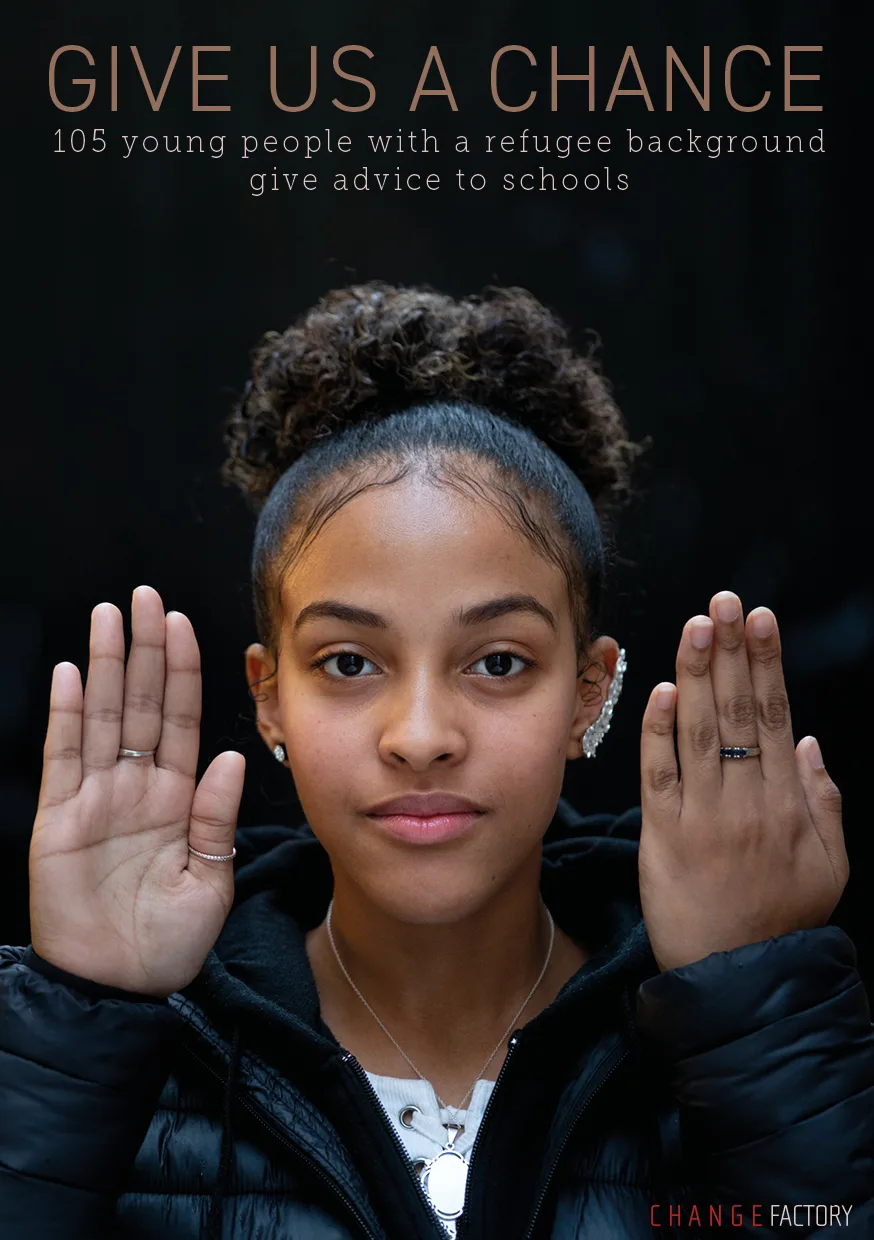
In the advice collection GIVE US A CHANCE 105 young people, aged 14-23, share experiences and give advice on how the school can collaborate with, and give important information to, pupils who are new in Norway, about mental health in school, about how to help them learn Norwegian, and how to make it safe.
Contents in the advice collection:
About the advice collection
Changefactory knowledge centre
Part 1 Collaborate with us
Part 2 Talk to us about mental health
Part 3 Help us learn Norwegian
Part 4 Make it safe at school
"Angry on the outside, hurting on the inside"
2020
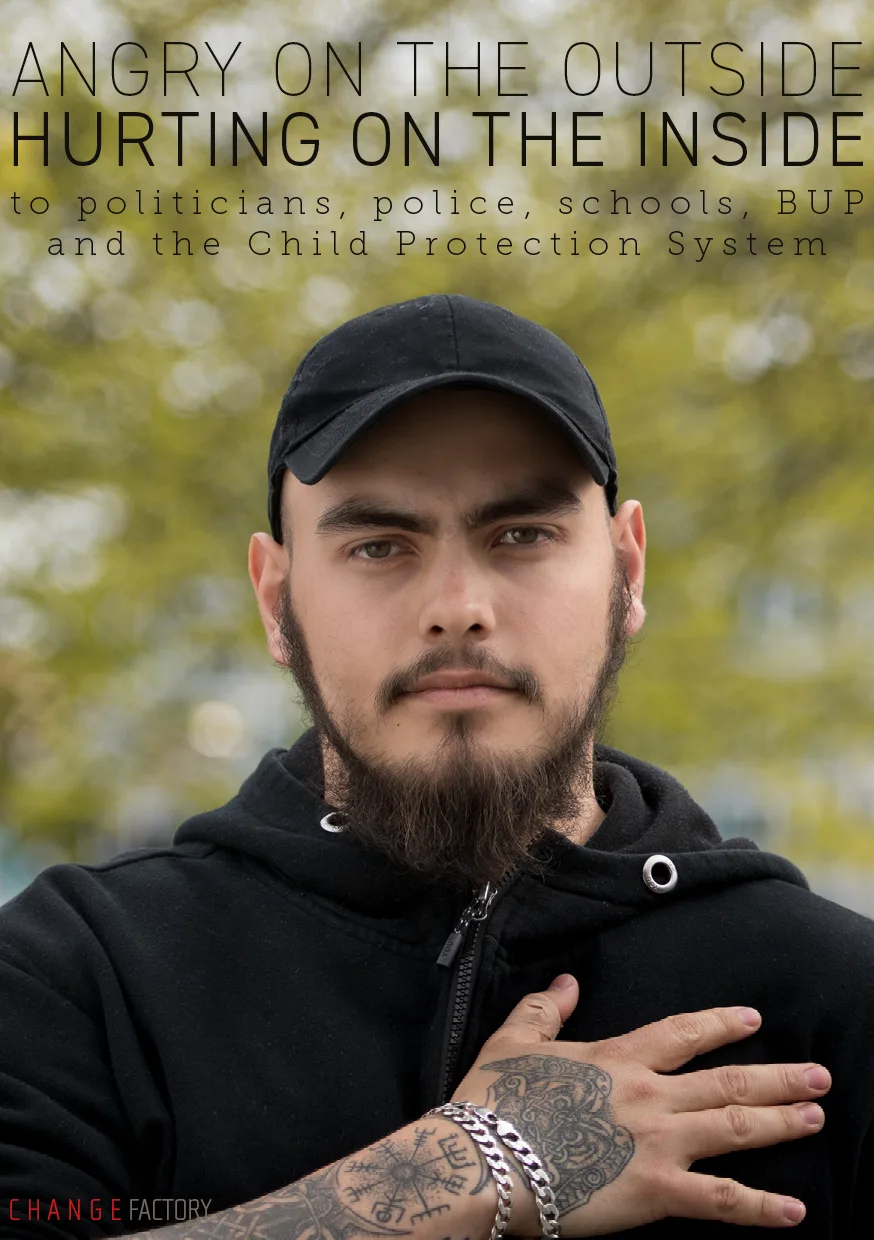
In the report ANGRY ON THE OUTSIDE, HURTING ON THE INSIDE (2020) 101 children aged 13-20 explains why children use violence, what help services, schools and the police should do for violence not to happen, and how to stop children in a safe way when they are using violence.
Contents in the report:
About the qualitative survey
Children’s rights
To national authorities
PART 1: This is why violence happens
PART 2: School
PART 3: The Child Protection System and youth outreach services
PART 4: BUP (Children and Adolescents’ Psychiatric Outpatient Services)
PART 5: Police
"Understand what's most important"
2020
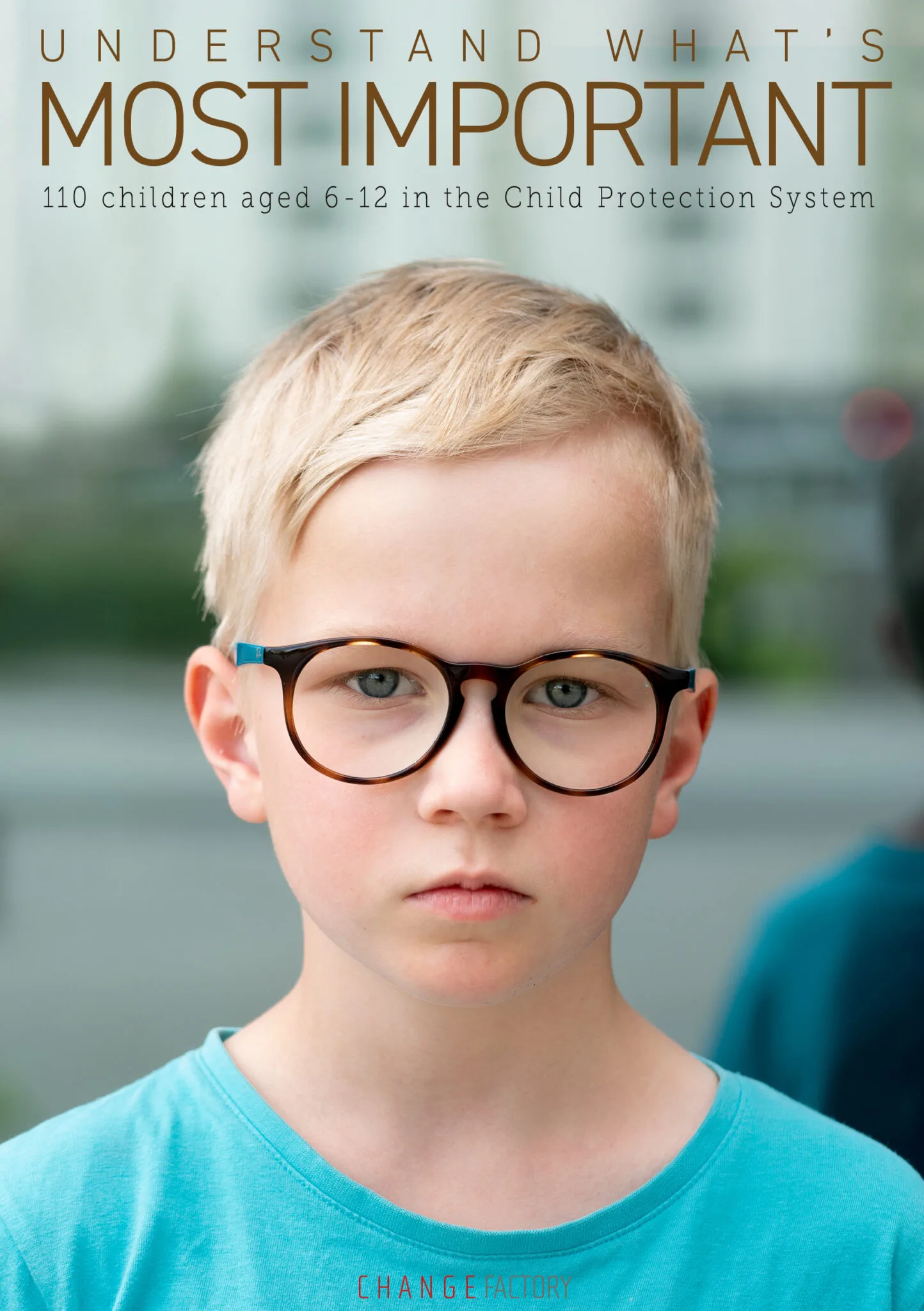
In the report UNDERSTAND WHAT’S MOST IMPORTANT 110 children aged 6-12, with experience from the Child Protection System, share experiences and advice on how the Child Protection System has to be and what they have to do for children to be able to tell what’s most important.
Contents in the report:
About the qualitative survey
Thanks to the children who participated
THREE out of FOUR children do not tell what’s most important
What child protection workers have to be good at
Knowledge from children
Advice for children to be able to tell what’s most important
Experiences
"It was supposed to get better"
2020
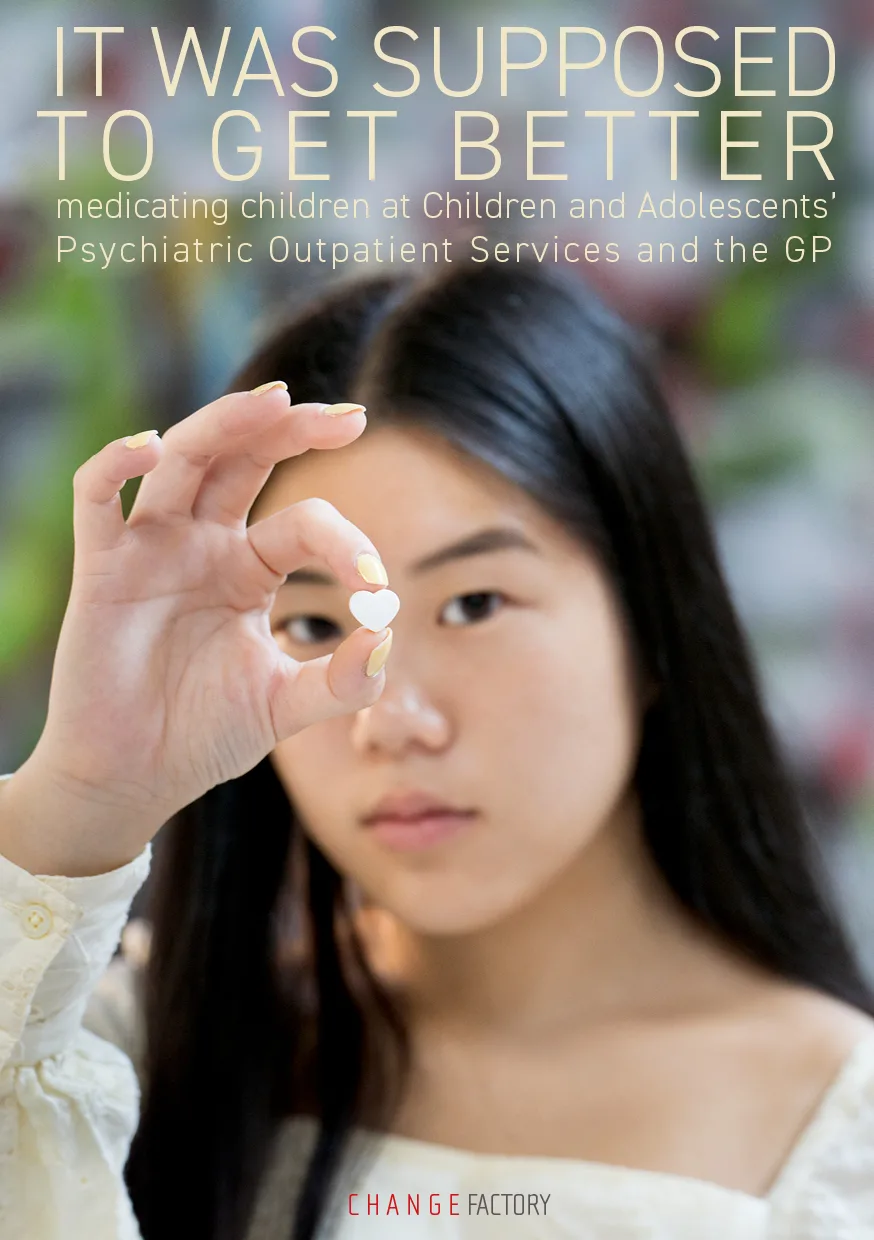
In the report IT WAS SUPPOSED TO GET BETTER 100 children and young people aged 15-20, with experience from receiving psychiatric medication, share experiences and give advice on how to give safe and useful help.
Contents in the report:
About the qualitative survey
Part 1 About the various medications
Part 2 Experiences with medications
Part 3 Advice to professionals
Children have rights
Today’s major challenges
National changes have to come
To students and professionals
Changefactory knowledge centre
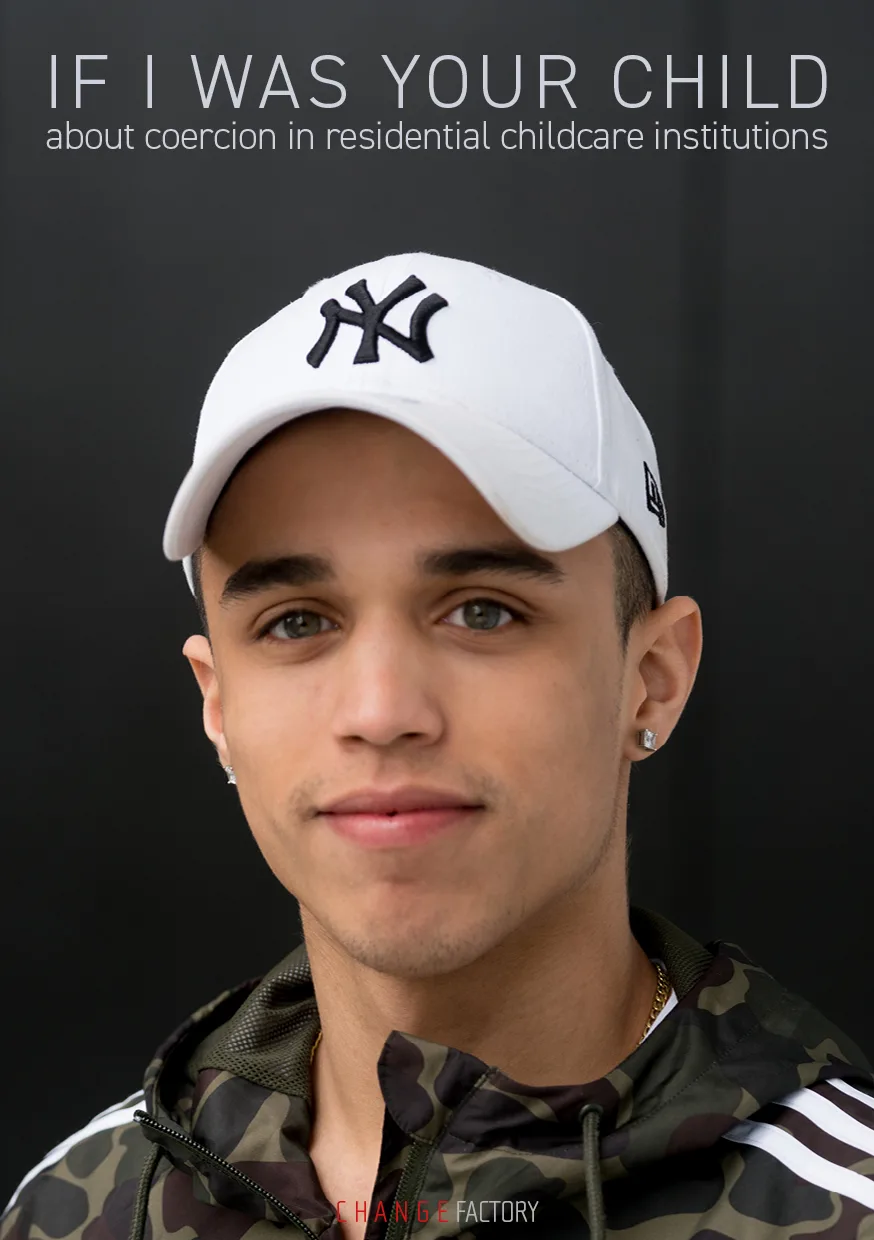
"If I was your child"
2019
55 young people participated in the survey – boys and girls from across the country. Everyone of them have experienced physical restraint in residential child care institutions. 35 out of 55 have experienced short term isolation. 42 out of 55 have experienced restricted freedom of movement. 52 out of 55 are under 20 years. The youngest ones are 14 years.
Contents in the report:
Part 1: When coercion is used
Part 2: How coercion is experienced
Part 3: What coercion does to young people
Part 4: Life after the institution
Part 5: Safe residential childcare institutions
Part 6: Advice for how to stop us
Part 7: This is what Norway can do
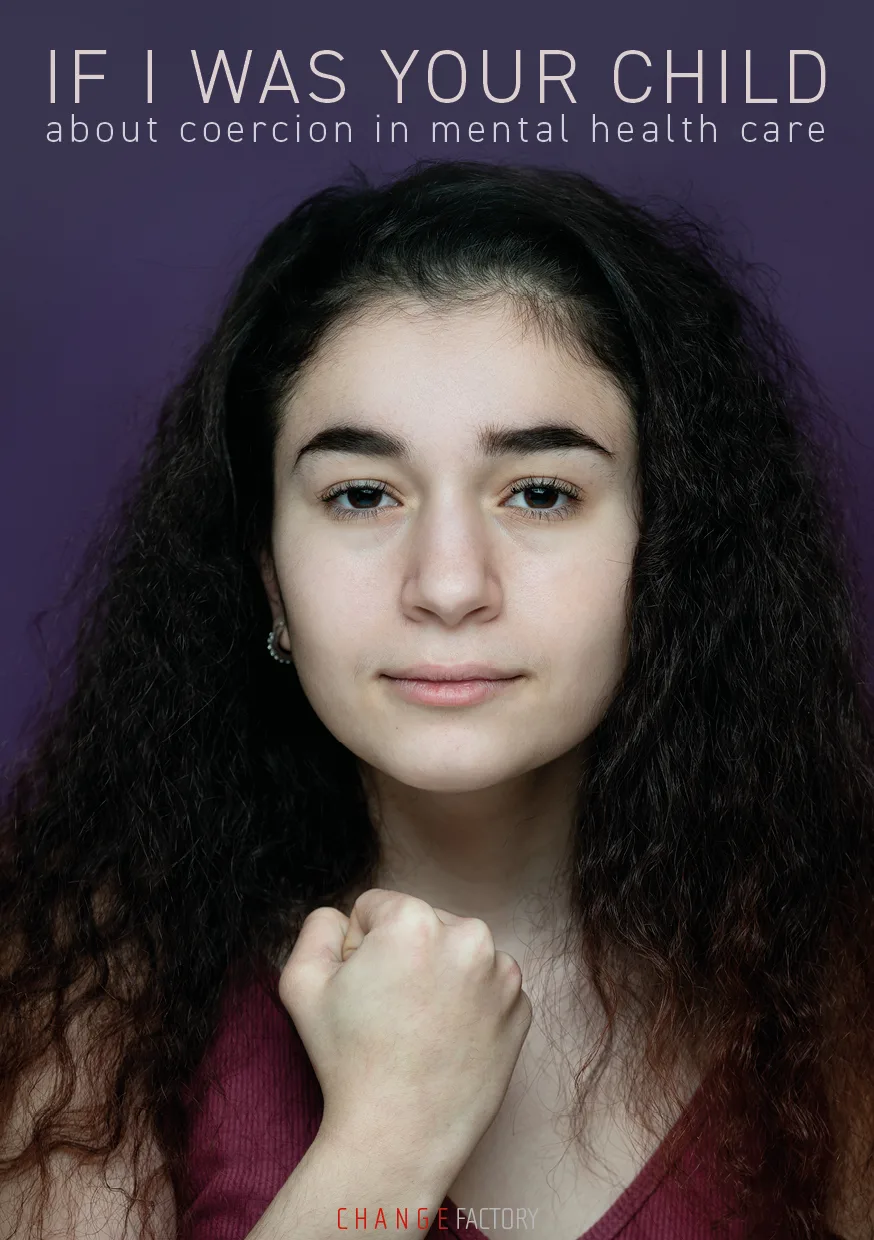
"If I was your child"
2019
63 young people aged 13-21, have participated in the survey. All of them have been victims of coercion, been threatened with coercion or been witnesses of someone else being victims of coercion. Most were admitted to a bed post or had been admitted a short time ago.
Contents in the report:
PART 1: About the use of force
PART 2: Different forms of coercion
PART 3: What coercion does to young people
PART 4: What Norway can do
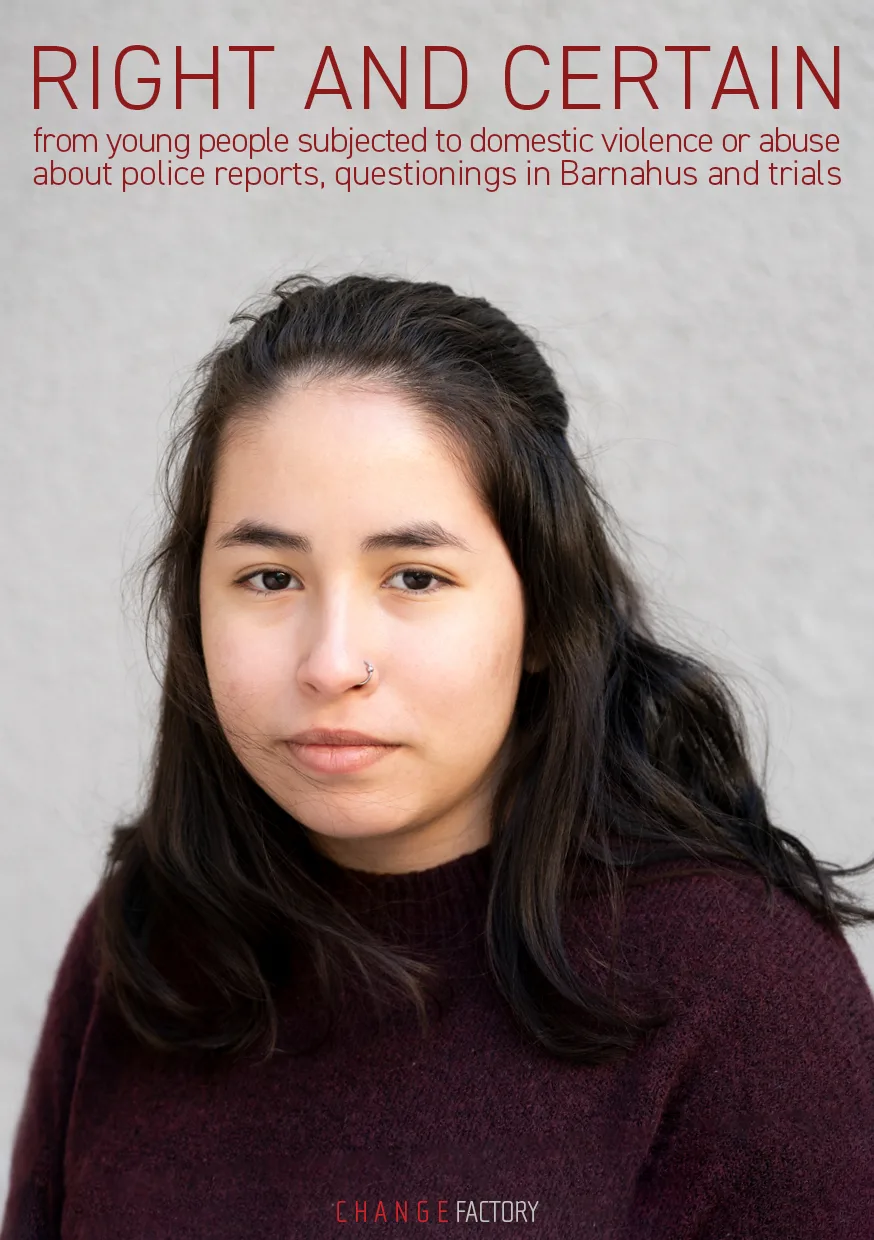
"Right and certain"
2019
In the report RIGHT AND CERTAIN 130 children aged 12-19, who have been in interrogations after violence or abuse, share their experiences and give advice to the help – and legal systems about how children should be met in ways that feels safe, helpful and collaborative.
Contents in the report:
Knowledge from children
Part 1: Reasons why children don’t tell about violence and abuse
Part 2: Police report
Part 3: Questioning in Barnahus
Part 4: Judicial system
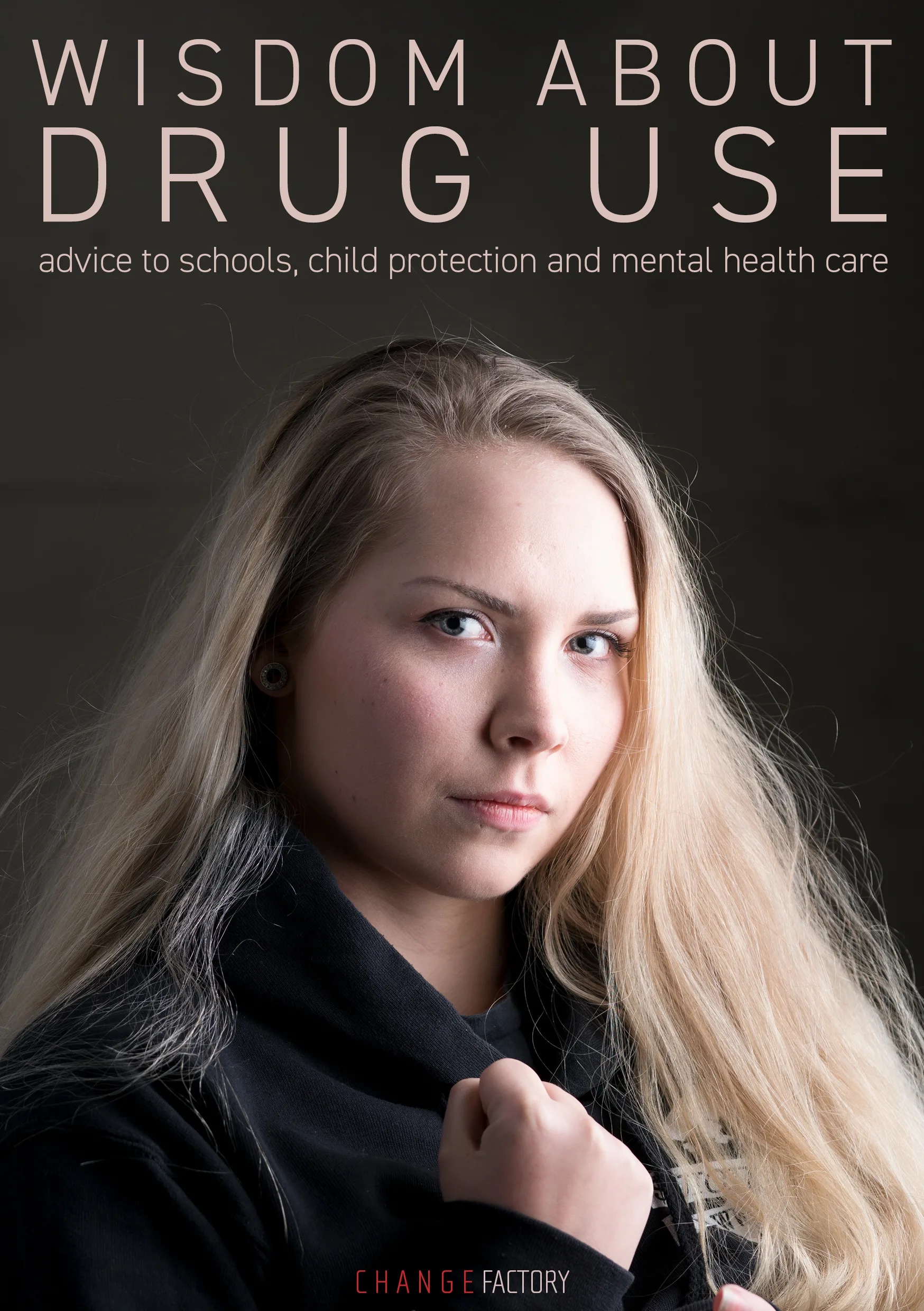
"Wisdom about drug use"
2018
58 young people who have struggled with drug-use share their knowledge in the report “Wisdom about drug use”. The goal is for Norway to get helpful and collaborative systems, built on knowledge from young people with experience from drug-use.
How can we help young people before they start using drugs? What is useful help from help systems and schools? What must change in Norway?
How can we help young people before they start using drugs? What is useful help from help systems and schools? What must change in Norway?
Contents in the report:
Part 1: Reasons for drug-use
Part 2: The different services
Part 3: Life after drugs