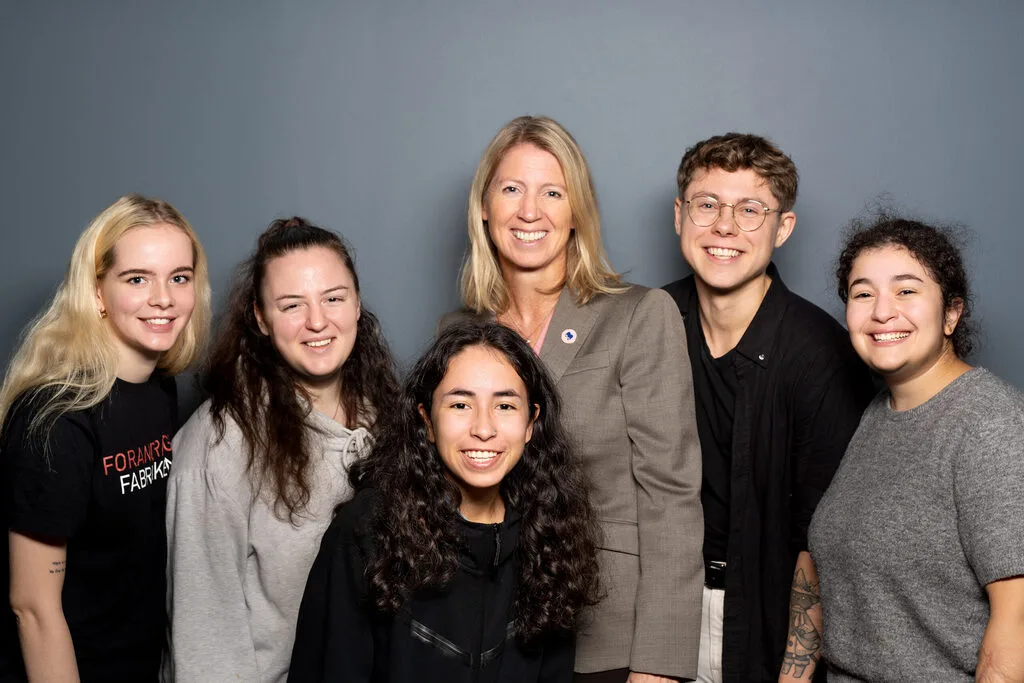
Laura Lundy inspired Norway on October 24th, and we are grateful

On 24 October, on UN Day itself, Oslo was visited by Professor Laura Lundy. We believe this marked the start of a new era in Norway for Article 12 of the Convention on the Rights of the Child.

Norway is good at many of children’s rights, but not at Article 12. You should, and can be. There is no question if this should be done, only how. Norway should build further on good experiences made by different stakeholder, Laura says.

Laura Lundy from Northern Ireland has inspired more than 10 countries in and outside Europe to take major steps to ensure that affected groups of children under the age of 18 are involved in all important decisions that affect them, both locally and nationally. She has also inspired the World Health Organisation (WHO) and guided the European Commission.

Laura has written the book “Voice is not enough” where she emphasises that a society must listen to the views of children and young people, assess and emphasise this, and give them real influence in decisions that concern them as a group. She particularly emphasises the importance of involving groups of children in vulnerable life situations. Laura has developed a model to guide anyone who makes decisions for children, at a national or local level, or in the everyday lives of children. The model is rights-based and emphasises the responsibility that politicians in the parliament, ministries, directorates, municipalities, educational institutions, services, schools, organisations and many more have.

MANY GOOD PEOPLE CONTRIBUTED TO THE PROGRAMME ON OCTOBER 24TH:
Laura Lundy, Co-Director of the Center for Children’s Rights, Professor of Children’s Rights at Queen’s University, Belfast and Professor of Law at University College Cork.
Eli Blakstad (The Centre Party), State Secretary in the Ministry of Children and Families
Grunde Almeland (The Liberal Party), leader of the Family Committee at the Parliament
Ragnhild Male Hartviksen (The Labour Party) parliamentary politician in the Justice Committee
Mina Gerhardsen, children’s representative
Jon Christian Fløysvik Nordrum, researcher Department of Public Law University in Oslo
Sjur Lehmann, director of the Norwegian Health Authority
Christian Børge Sørensen, special advisor for human rights
Elin Saga Kjørholt, senior subject advisor from the Children’s Ombudsperson
Marit Skivenes, professor of political science and part of CF’s board
Arild Bjørndal, professor of social medicine and part of CF’s board
Leon, Vanessa, Glorija, Dania and Celina from CF contributed in dialogues.

THANK YOU for all engaged, wise, solution-focused and forward-looking talks. The theme throughout was how children can contribute to the development of schools and services, initiatives, budgets, legislation and other types of measures.

Many promised that decisions will be better when we include children’s solutions, that children must be involved early enough in decisions, and that you must be open and transparent with how you have assessed and emphasised children’s views. Something that also came up was what mechanisms we should have to stop decisions when we have not first secured the obligation in Article 12 to hear and take seriously the views of children.

Many were grateful that Laura put into words that Norway is not good at involving the groups of children in question and is far from good enough to ensure that children under the age of 18 and children in vulnerable life situations are included in decisions. Now there are many of us who will achieve this together in Norway in the future!
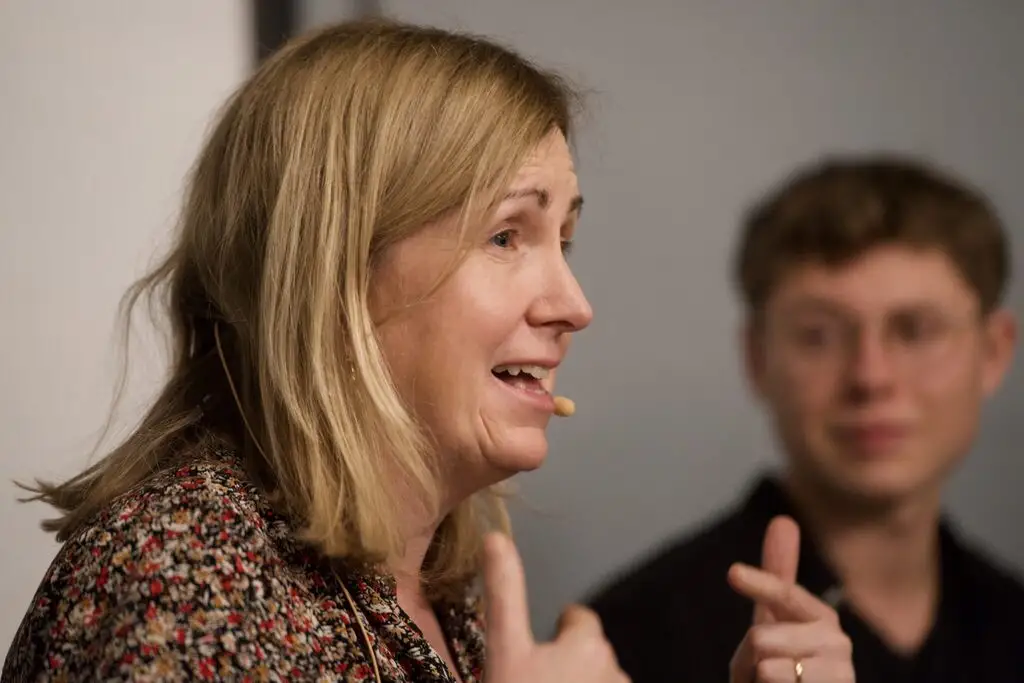
Today’s keynote speeches inspired both presentation and dialogue

Ragnhild Male Hartviksen, politician in the justice committee at the Parliament, with Laura Lundy and young people in CF

Many good people contributed to the program on October 24th:

Laura Lundy, Co-Director of the Center for Children’s Rights, Professor of Children’s Rights at Queen’s University, Belfast and Professor of Law at University College Cork.
Eli Blakstad (The Centre Party), State Secretary in the Ministry of Children and Families
Grunde Almeland (The Liberal Party), leader of the Family Committee at the Parliament
Ragnhild Male Hartviksen (The Labour Party) parliamentary politician in the Justice Committee
Mina Gerhardsen, children’s representative
Jon Christian Fløysvik Nordrum, researcher Department of Public Law University in Oslo
Sjur Lehmann, director of the Norwegian Health Authority
Christian Børge Sørensen, special advisor for human rights
Elin Saga Kjørholt, senior subject advisor from the Children’s Ombudsperson
Marit Skivenes, professor of political science and part of CF’s board
Arild Bjørndal, professor of social medicine and part of CF’s board
Leon, Vanessa, Glorija, Dania and Celina from CF contributed in dialogues.

THANK YOU for all engaged, wise, solution-focused and forward-looking talks. The theme throughout was how children can contribute to the development of schools and services, initiatives, budgets, legislation and other types of measures.

Many promised that decisions will be better when we include children’s solutions, that children must be involved early enough in decisions, and that you must be open and transparent with how you have assessed and emphasised children’s views. Something that also came up was what mechanisms we should have to stop decisions when we have not first secured the obligation in Article 12 to hear and take seriously the views of children.

Many were grateful that Laura put into words that Norway is not good at involving the groups of children in question and is far from good enough to ensure that children under the age of 18 and children in vulnerable life situations are included in decisions. Now there are many of us who will achieve this together in Norway in the future!
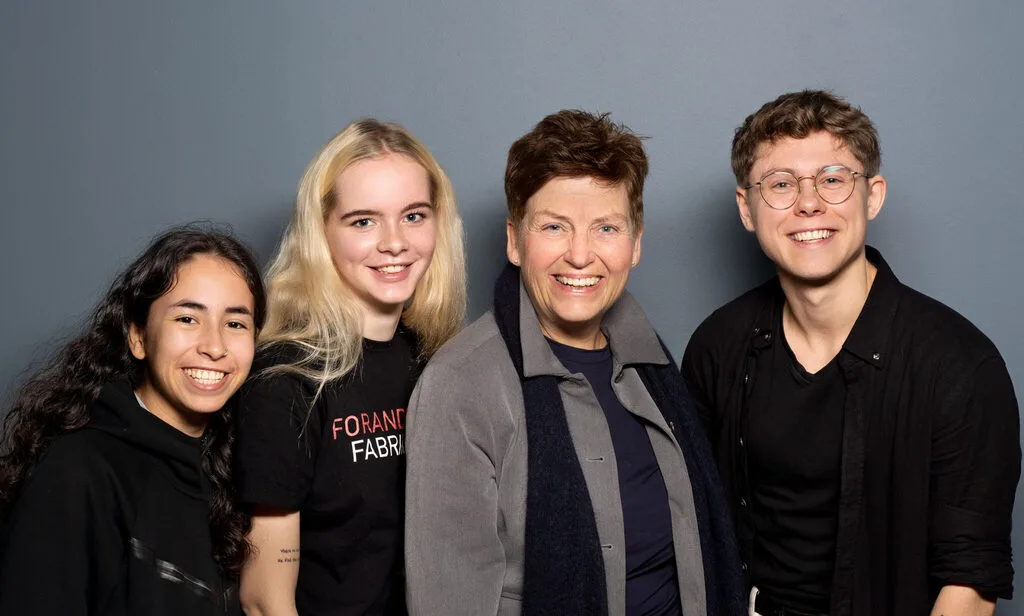
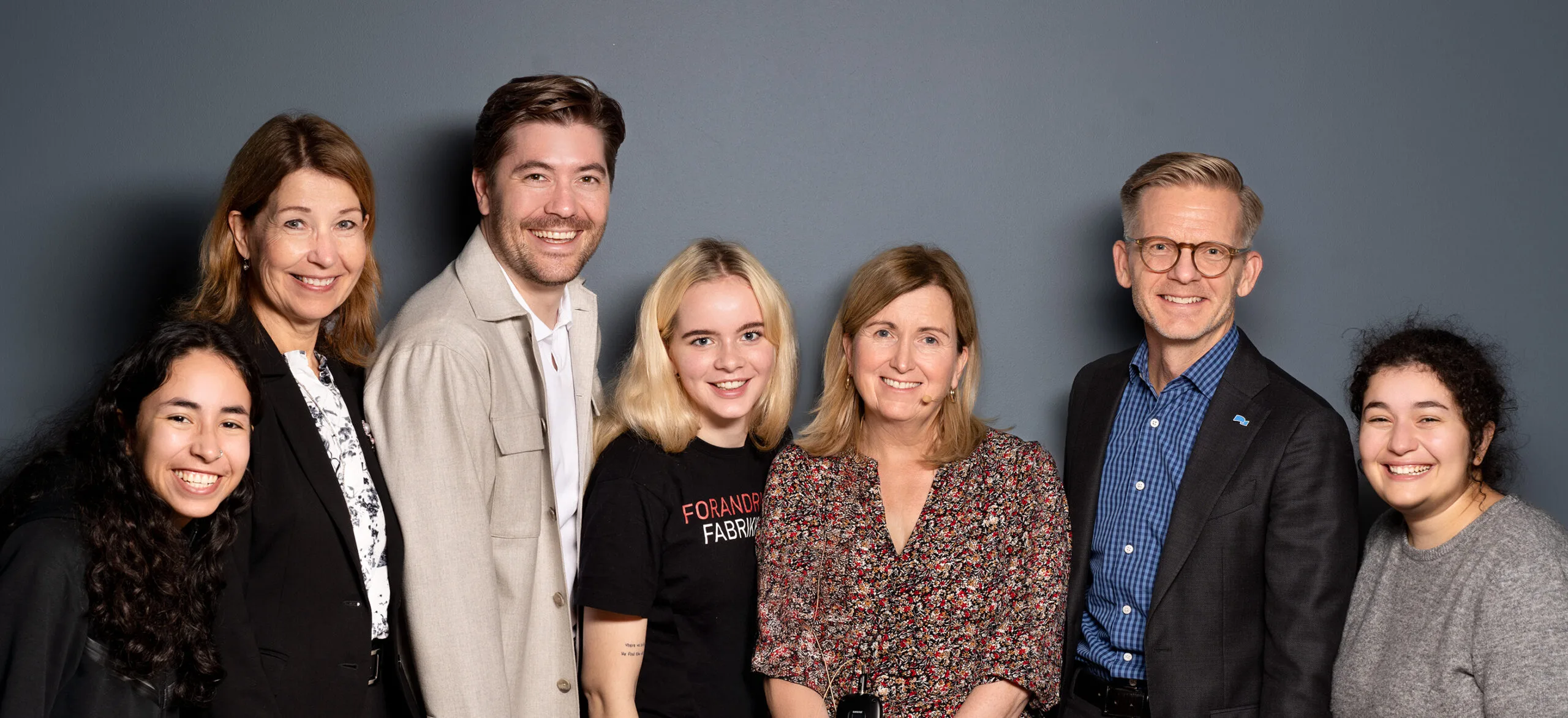
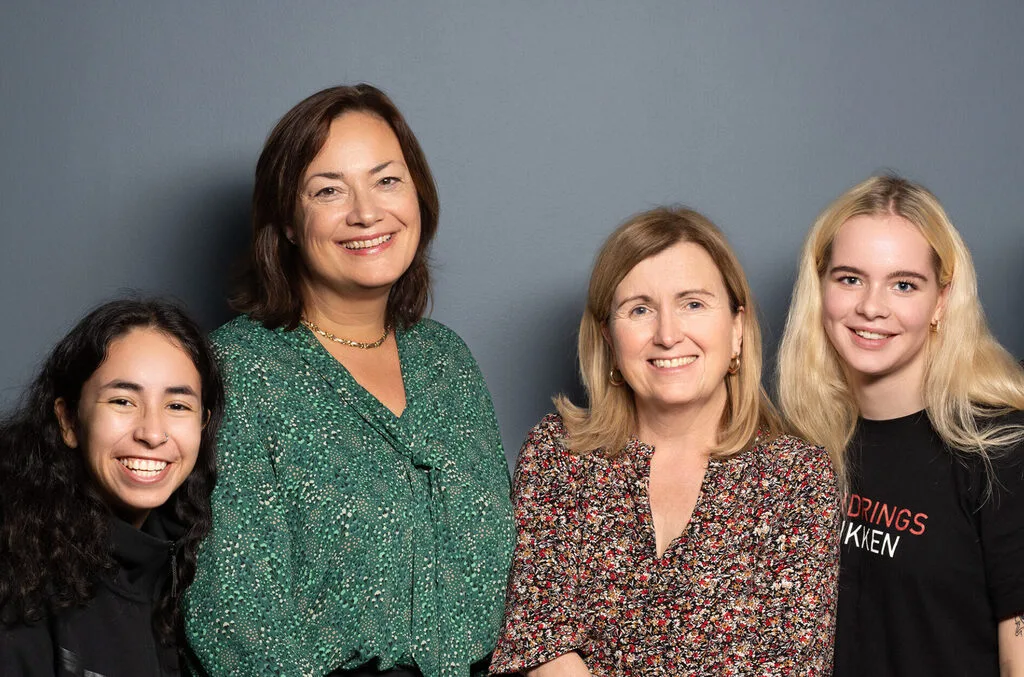
Eli Blakstad, State Secretary in the Ministry of Children and Families, with young people in CF

Politicians in the Family and Culture committee, with Lundy and young people in CF
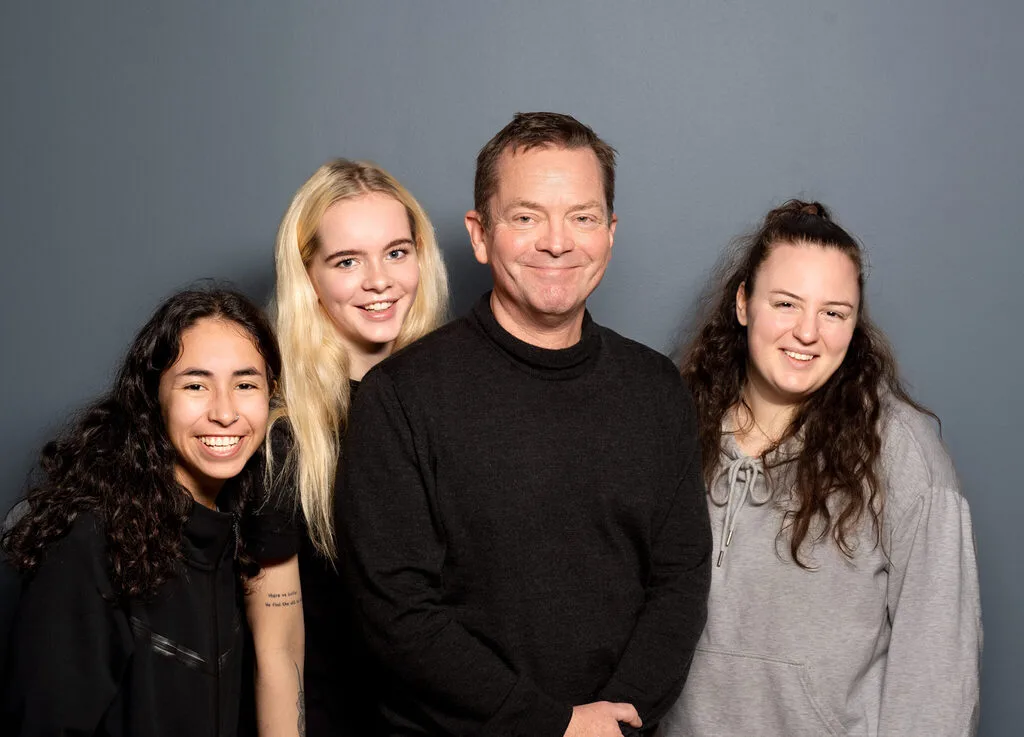
Sjur Lehmann, director of the Norwegian Health Authority, with young people in CF

Mina Gerhardsen, Children’s Ombudsperson, with young people in CF

T H A N K   Y O U  for all engaged, wise, solution-focused and forward-looking talks. The theme throughout was how children can contribute to the development of schools and services, initiatives, budgets, legislation and other types of measures.

Many promised that decisions will be better when we include children’s solutions, that children must be involved early enough in decisions, and that you must be open and transparent with how you have assessed and emphasised children’s views. Something that also came up was what mechanisms we should have to stop decisions when we have not first secured the obligation in Article 12 to hear and take seriously the views of children.

Many were grateful that Laura put into words that Norway is not good at involving the groups of children in question and is far from good enough to ensure that children under the age of 18 and children in vulnerable life situations are included in decisions. Now there are many of us who will achieve this together in Norway in the future!
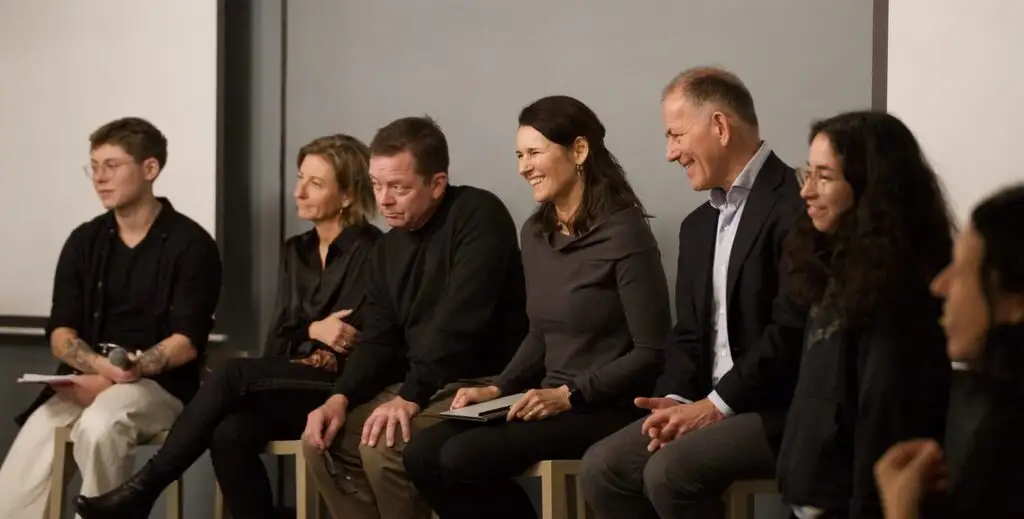
Dialogue with contributions from both the audience and the stage, about challenges today and opportunities for how Norway can better secure the obligations under Article 12 of the UNCRC in the future

Contributors from the last part of the day, with Lundy and young people in CF

Changefactory's Privacy Policy

1. Introduction

Here you can read about what personal data Changefactory processes. Changefactory is committed to protecting your rights when we process personal data.

Personal data is all information that can be linked to you as a person, such as name, telephone number, photos, films and audio recordings.

2. Data controller

The CEO (in his/her absence, the chairman of the board) of Changefactory is the data controller for the foundation’s processing of personal data.

3. When does Changefactory process personal data about you?

Changefactory processes information about you when:

  • You, as a child or young person, participate in activities or projects with Changefactory where it is considered necessary to collect personal data
  • You (and possibly your caregivers) have consented to your participation in a survey
  • You are a member of Changefactory
  • You have applied for a job
  • A job seeker has listed you as a reference
  • You work at Changefactory
  • You have registered for an event organised by Changefactory
  • You are a journalist and we have had contact regarding statements, events, etc.
  • You have requested a lecture
  • We are going to have or have had meetings
  • You are a partner
  • We have contacted you regarding with recruitment for surveys
  • When you contact us via email, telephone, website or social media

4. What personal information we store

Changefactory does not collect and store more information than is necessary to fulfill the purpose of the processing. The personal information we collect is generally obtained from you.

Changefactory has good procedures for storing your personal information in a secure manner. This is done by storing the information in areas with access control where we limit who has access to the information about you.

You have the right to access the information that Changefactory has registered about you and can request that Changefactory update, limit, archive or delete information about you.

4.1. Children and young people

Changefactory is particularly concerned with protecting the rights of children and young people. We therefore have good procedures that ensure that the information we have about you is stored in a safe and secure manner.

4.1.1. Survey participants

When you agree to participate in a survey where we talk to you outside of school, we need some information from you so that we can contact you. We will always ask if it is okay for you to participate in the survey and for us to store information about you. In this way, you consent. Your contact information is stored on a disc that only those working on the survey have access to. The information is deleted when the survey is completed and the report is complete.

When Changefactory conducts surveys outside of school, this is done, among other things, by talking to you in an interview. The minutes from the interview are initially anonymised immediately, and no later than the same day the interview was conducted. This means that any personal data in the minutes that can be linked to you as an individual is removed.

The processing basis for processing personal data when we conduct surveys is either Article 6(1)(a) of the General Data Protection Regulation on consent or Article 6(1)(e) on public interest. Letter a of consent means that you (and guardians for you under 16 years of age) have agreed that you can participate in the survey and provide us with the information. Letter e of public interest means that Changefactory is allowed to process the information pursuant to sections 8 and 9 of the Norwegian Data Protection Act, because it is necessary for purposes related to scientific or historical research.

4.1.3. Member register

When you register as a member of Changefactory, we register your name, date of birth and telephone number in our member register. The basis for this processing is the data protection regulation art. 6 no. 1 letter a regarding consent. We store this information about you in order to be able to provide you with information and offers related to membership. The information is stored on a disk that only factory workers working with members have access to. The information is deleted when you are no longer a member.

4.1.4. Especially about photos, films and audio recordings of children and young people

Changefactory invites children and young people to take photos, films or audio recordings (e.g. podcasts). This is done as part of disseminating knowledge from children and young people. Before we do this, we obtain written consent from the child and from the caregiver for those under 16 years of age.

Changefactory publishes pictures, films and audio recordings with children on our websites, social media, public streaming services and in reports. CF obtains written approval from children and young people for the use of pictures/film and for where the picture/film can be published.

The basis for processing this is basically the Privacy Regulation art. 6 no. 1 letter a on consent and exceptionally letter f on legitimate interests. Pictures, films and audio recordings are deleted when the child or caregiver requests it.

4.1.6. Caregiver for children under 16 years of age

When a child or young person is under 16 years of age, we also obtain consent from caregivers to process personal data about the child. Changefactory then receives contact information for the caregiver from the child.

The basis for processing is the Data Protection Regulation art. 6 no. 1 letter b because the processing is necessary to fulfill an agreement to which the data subject is a party. The information will be deleted when the child reaches the age of 16 or in accordance with point 4.1.1 or 4.1.2.

4.2. Job seekers and employees

4.2.1. Job seekers

If you apply for a job at Changefactory, we need to process information about you to assess your application. The recruitment process involves processing the information you provide to us through the documents you send us, including your application, CV, diplomas and certificates. In addition to any interviews, Changefactory may also conduct its own investigations, for example by talking to references.

To assess applications and other submitted documents, conduct interviews and call references, the basis for processing is Article 6(1)(b) of the General Data Protection Regulation. This means that we may process personal data when it is necessary to take measures at the job seeker’s request before an agreement is concluded.

If we also conduct other investigations, for example by calling someone who has written a certificate and who is not a reference, the basis for processing is Article 6(1)(f), which allows us to process information that is necessary to safeguard a legitimate interest that outweighs the interests or fundamental rights and freedoms of the individual. The legitimate interest is to find the right candidate for the position.

Applications will be deleted no later than when the recruitment process has been completed.

4.2.2. Employees

When you are employed by Changefactory, we process some personal data about you. This includes contact information, information needed for payment of wages and police clearance. Changefactory has routines for deleting user accounts, including e-mail and formatting of PCs, when an employee leaves.

The basis for processing contact information, information needed for payment of wages and police clearance is Article 6, first paragraph, letter b, stating that it is necessary to fulfill an agreement and Article 6, paragraph 1, letter c, stating that the processing is necessary to fulfill a legal obligation.

Information that we are obliged to keep under the Norwegian Bookkeeping Act is stored for 5 years, which is the requirement under the law.

4.3. Other

4.3.1. E-mail

We use e-mail in much of our work. CF has its own email accounts for employees, which are only used for as long as an employee works at CF.

We ask that you do not send special categories of personal data unencrypted by email. This is, for example, personal data about racial or ethnic origin, political opinion, religion, or health information.

4.3.2. Lecture agreement

If you have requested a lecture or similar for your business, we will store your contact information for the current and following years. The purpose is to plan and administer lectures, keep an overview of and follow up on completed lectures and prepare anonymous statistics for reporting and internal prioritisation and planning.

The basis for this processing is Article 6(1)(f) of the General Data Protection Regulation, which allows us to process information that is necessary to safeguard a legitimate interest that outweighs the consideration of the individual’s privacy. The legitimate interest is to administer, keep an overview of and follow up on lectures and prepare statistics.

4.3.3. Registration for events

When registering for an event, we will ask for information about your name, contact information and place of work. The purpose of the information is to provide information to participants, administer and organise events, prepare participant lists, follow-up of participants afterwards and for anonymous statistics for reporting.

The basis for processing is Article 6(1)(f) of the General Data Protection Regulation, which allows us to process information that is necessary to safeguard a legitimate interest that outweighs the consideration for the individual’s privacy. The legitimate interests are to carry out events in a good manner.

4.3.4. Partners

We process contact information for our partners. The purpose is to be able to arrange meetings, events and disseminate knowledge.

The basis for processing is Article 6(1)(f) of the General Data Protection Regulation, which allows us to process information that is necessary to safeguard a legitimate interest that outweighs the consideration for the individual’s privacy. The legitimate interests are to be able to contact our partners.

5. Your rights

Changefactory processes your personal data in accordance with the Personal Data Act and applicable regulations.

You have the right to access the information that Changefactory has registered about you, and you can request that the information be updated, archived, restricted or deleted. We have routines for deleting and archiving personal data.

You can object to the processing of the personal data we have registered about you. You also have the right to complain to the Data Protection Authority when processing personal data that is not in line with the rules.

6. Contact information

To request deletion, correction or access to personal data, you can send an email to samtykke@forandringsfabrikken.no.

If you have any questions or other inquiries, you can contact:
Viola Gunvaldsen Breunig
Legal advisor
Tel: +47 977 44 911
Email: viola@forandringsfabrikken.no